Harmonious Healing: Trepanation: Understanding Brain Surgery
The history of trepanation is a long one. Trepanation is a skull surgery procedure that has been used since ancient times. Trepanation, which is also known as craniotomy, trepanning, trephining, trephination or burr hole, is a procedure where a hole is cut in the skull exposing the dura mater or outer meninges of the brain. Throughout history the reason for this surgery has baffled scientific researchers. Culturally disconnected anthropological techniques have not been able to uncover this mystery. Rising Firefly readers are fortunate to hear from the Kemetic "horse's mouth" the reasons behind many procedures and activities that started inside Kemetic culture. Our biggest mistake as humans has been to turn away from the wisdom of our ancestors. In medicine this attitude has caused us to try to reinvent the wheel, producing many false medical "advances", but in doing so we are causing and witnessing many unnecessary deaths. Trepanation, when viewed in its entirety, is a fascinating part of humanity's long walk towards medical brilliance.
Today skull surgery is used by surgeons for a number of medical cases. Most commonly this procedure is used to alleviate intracranial pressure from brain lesions or traumatic brain injury. It is also used in the treatment of some mental illnesses such as Parkinson's Disease, epilepsy and cerebral tumors. In these cases opening of the skull allows surgeons to implant deep brain stimulants. Neuroscientists also use skull surgery to learn more about the brain and neural communication. After removing parts of the skull, neuroscientists acquire extracellular records and brain imaging. The surgery also allows them to make neurological manipulations such as electrical stimulation and chemical titration.
Intracranial Pressure
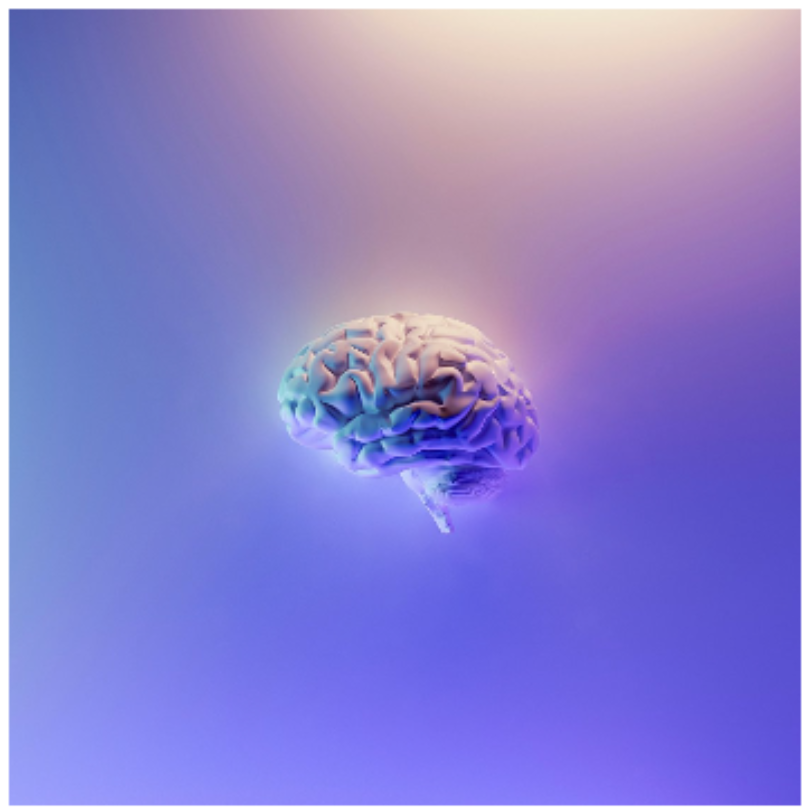
Intracranial Pressure or ICP is the pressure exerted by the cranium on brain tissue, cerebral spinal fluid and the brain's circulating blood volume. An increase in intracranial pressure is one of the most damaging results of head trauma. An increase can lead to cerebral edema which can crush brain tissue, shift brain structures, contribute to hydrocephalus (abnormal accumulation of cerebrospinal fluid (CSF) in the ventricles, or cavities, of the brain.), cause the brain to herniate, or restrict blood supply to the brain, ending a number of deadly effects that are categorized under the medical term "ischemic cascade". A raised ICP reading can also be the cause of intracranial hematoma.
Intracranial hematoma is broken up into two categories. Subdural hematoma or SH, the more common of the two, occurs when blood gathers between outer dura mater and the arachnoid or middle layers of the meninges. SH is most commonly caused by tears in the veins which run through the space under the outer dura. Bleeding in this area causes the dura layer to separate from the arachnoid. Often this situation results in an increase of intracranial pressure, creating a vicious cycle in those whose intracranial pressure preceded the hematoma. Subdural Hematomas has a high mortality rate and is classified as a severe medical emergency.
Subdural hematoma is most often caused by head injury and the resulting issues; however, it is more common in alcoholics, newborns and the elderly. In both alcoholics and the elderly cerebral atrophy (shrinking) is common. Cerebral atrophy increases the length of area that the bridging veins travel between meninges layers. This increased length between meninges layers presents a more fragile environment for veins that with old age become more delicate anyway. This makes subdural hematoma a risk with even minor head trauma. Infants also have larger subdural areas which present a fragile situation.
Mental Illness Treatment
Recently, craniotomy has become a large part of the treatment for Parkinson's Disease and other disabling neurological symptoms like tremors, rigidity, stiffness, slowed movement, and walking problems. These mental illnesses are treated with a new procedure called Deep Brain Stimulation (DBS) when these debilitating symptoms cannot be controlled through medications.
In DBS a surgically implanted, battery operated device called a neuro-stimulator is used to send electrical pulsations to the area of the brain to which the patient's symptoms are attributed. In order to locate the exact target within the brain where the Parkinson's Disease or Essential Tremor symptoms are generated, a neurosurgeon uses magnetic resonance imaging (MRI) or computed tomography (CT) scanning. Some surgeons also use micro-electrode recording.
In the surgical procedure, after the neurosurgeon has located the target area, a craniotomy is done to gain access to the brain. The DBS system consists of three parts:
The Electrode (aka the lead) is the part that is inserted into the brain matter. This thin insulated wire is inserted through the hole in the skull and into the brain. The tip of the electrode is positioned directly in the target area. The electric pulses from the brain can either provide the missing nerve pulses whose absence is creating the problem or these electrical impulses can act to block nerve pulses which may be causing the issue. The Extension is an insulated wire that passes just beneath the skin connecting the electrode to the battery operated unit which sends the pulses to the electrode. The Neurostimulator is the battery and programmable unit which sends electrical currents into the brain through the electrode. The neurostimulator is usually located under the skin near the collarbone. In a few cases it can be lower in the chest and as far as the abdomen.
Though in most cases considerable improvement takes place, the majority of patients who receive DBA still need medications after their DBA systems are implanted. The DBA also allows for reprogramming as the disease continues its natural progression. At this time neurosurgeons are able to adjust the level of electrical stimulation without performing another surgery.
Epilepsy
Epilepsy is a chronic nerve dysfunction that is characterized by sudden and recurrent seizures. Character and severity of seizures can vary from momentary lapses of attention to momentary lapses of consciousness, strange movements or sensations in parts of the body, odd behaviors, and emotional disturbances. Epileptic seizures typically last between one to two minutes and are followed by weakness, confusion, or unresponsiveness. It is thought to be caused by brain defects, head trauma, infectious diseases, stroke, brain tumors or genetic or developmental abnormalities.
Many pharmaceutical drugs are used in the treatment or control of epilepsy. However, when an epilepsy patient is categorized as intractable, surgery becomes a common option. Its frequency dramatically increased in the 80s; however, epilepsy surgery has been practiced by modern medical surgeons for over a century.
Intractable epilepsy is defined in two ways. In one definition, two anti-epileptic drugs have failed to control the seizures, meaning that there is at least one seizure per month for eighteen months and no seizure-free periods longer than three months during that time. This is known as the stricter definition. The loose definition means just two anti-epileptic drug failures.
Once neurosurgeons have determined that a patient has intractable epilepsy and/or that a patient would likely benefit from surgery, the surgery is planned. In making this determination, surgeons will consider the chance of adequate seizure control with additional AED trials; the adverse long term effects of uncontrolled seizures; the type of epilepsy the patient suffers from and the placement in the brain where the seizures start. Once the surgery is decided, the surgeon has an option between two types of epileptic surgery.
Resection or resective surgery
In this form of surgery, the surgeon removes the area of the brain that is thought to cause the patient's seizures. The most common example of this type of surgery is the temporal lobectomy, in which part of the temporal lobe of the brain is removed.
Disconnection Surgery
A less common type of epilepsy surgery interrupts nerve communication that allows seizures to spread. This is useful to surgeons when, after brain mapping and determining which area of the brain is to blame for the seizures, that area is found to be too useful in the minds of the surgeons to remove. This type of surgery is generally thought to improve the patients seizures while resection surgery has more instances of curing epilepsy. In both types of surgery a burr hole in the skull is used to access the brain; however, recently neurosurgeons have been exploring ways to access different parts of the brain through openings that already exist like the nasal passage etc.
Lobotomy
Lobotomy was a common brain surgery in the first half of the 20th century. It is a procedure in which the connections to and from the prefrontal cortex of the brain are severed or the prefrontal cortex is destroyed. It was used to treat mental illnesses such as schizophrenia, clinical depression, anxiety disorders or unfavorable personality traits. The procedure would usually result in major personality changes, possible mental disabilities and in some cases even death. Lobotomy surgery was started in 1890 by a physician from Switzerland. In 1949 a Portuguese physician named Antonio Egas Moniz won a Nobel Prize for medicine for his work and innovations in lobotomy surgery. Because craniotomy was necessary in lobotomy surgery originally to access the brain, lobotomies were restricted to operating rooms, but American psychiatrist, Walter Freeman revolutionized the procedure by going through the eyelids just below the skull's eye socket opening with a tool to sever or destroy the prefrontal cortex. Force had to be applied to break through the small bone that is at the top rear of the eye socket; however, this procedure allowed psychiatrists to do lobotomies on mental ward patients in mental health facilities. In 1977 allegations were brought to the US congress that lobotomies were being used to pacify and control minorities and restrain individual rights. By the late 80s the practice of lobotomies ceased. The United States led the world in the number of lobotomies on record with over 40,000 procedures.
Tumor Removal
Craniotomy is often performed in modern medicine in order to remove tumors or abnormal cell growth. The surgeon, after locating the tumor, will perform the craniotomy, cutting the necessary hole in the skull and going in to remove the tumor.
The common term adopted by modern colonial medicine for skull surgery is craniotomy or craniectomy. These two are differentiated by the post surgery procedure. In craniotomy the bone flap that is removed is grafted into the hip bone until it can be replaced in the skull, if need be. In craniotomy procedure where only a small portion of skull is removed, the bone flap is rarely replaced and the skull is left to regenerate and close the hole itself. In larger craniotomies the bone flap is replaced and held in place by metal plates until it reconnects with the skull. Thereafter the metal plates are removed. In craniectomy the bone flap is left out.
Interestingly enough, in modern science, craniotomy is differentiated from trepanation. Since the times of the Pharaohs skull surgery has been utilized by traditional healers worldwide. The healing traditions of indigenous systems in Maanu (the Americas), Europe, and Merita all have a long history of trepanation. Even today many cultures on the continent of Merita continue to use skull surgery in traditional contexts within the villages.
Though these predecessors to the modern skull surgery began to be studied openly by colonial science in the latter half of the nineteenth century and modern skull surgery began in the colonial territories in the late 1800s, colonial science still classifies indigenous skull surgery as trepanation, discrediting its medical implications. The modern concept of trepanation is linked to a Dutchman named Bart Hughes or Huges. Mr. Hughes was a librarian who theorized that the reason people did skull surgery throughout history was to increase the volume of blood to the brain. He wrote a book on his theories in "The Mechanism of Brainbloodvolume" (his book was also known as "Homo Sapiens Correctus") in 1964, in which he concludes that children and babies, due to the "soft spots" in their skulls, have a "higher consciousness" than adults. In the late 60s and early 70s in Europe at the time of Mr. Hughes' theories, the social environment was entering into the psychedelic drug culture and experimentation with hallucinogens such as LSD. Mr. Hughes' theories of holes in the skull providing people with an everlasting high became appealing to a crowd which could maintain only a temporary high. Mr. Hughes' theories caught on and a few people even did trepanation on themselves in their homes with drills or homemade tools. Today there is an international organization whose members believe and follow Mr. Hughes' theories.
One must wonder if this organization or these individuals ever thought of checking with the cultures, who still perform this procedure in the same traditions as their ancestors, to find out if what Mr. Hughes said was true before taking a drill to their own skulls. Mr. Hughes' theories about babies and higher consciousness are questionable considering all the other factors including the fact that babies and children are not weighed down by the stresses and responsibilities of adult life.
Kemetic Healing
Traditions In the Kemetic traditions healers strongly advise against voluntary skull surgery, drug use or unprofessional or novice medical treatment. Brain blood is acknowledged within the traditions of Kemet; however, in the spiritual initiations one learns how to build it through meditation and the power of language without doing anything as extreme and life threatening as drilling unnecessary holes in the skull.
In fact in Kemetic medicine surgery is avoided unless it is absolutely necessary. Trepanation was used in the case of head trauma to relieve intracranial pressure. However, many of the issues that are now treated with methods involving skull surgery by the modern medical system are now and have been treated with plant medicines even before the modern era.
Epilepsy can in most cases be cured with plant medicines that can be drunk in a tea or simply eaten with honey. However, in some extreme cases craniotomy is done and herbal medicines must be applied directly to the brain's outer meninges.
Depression, hallucinations and anxiety issues are cured with a variety of plant medicine. Some are drunk as teas and others are burned as an incense. The smoke from the incense is inhaled because its effects are balancing to the brain. (See Volume 50 of the Rising Firefly for further information.)
Schizophrenia is cured with an herbal incense.
Brain Tumors are starved and dissolved with an herbal snuff; however, in extreme cases skull surgery is used and herbal recipes are applied.
Parkinson's Disease and Cerebral Tumors as well as other mental illnesses are cured with teas, snuffs or incense.
In the Kemetic traditions medicine is valued and the efficiency of medicines is held at a high standard. Herbal medicine recipes are very potent and can solve the most extreme issues, so there is no need for the destruction, excision or detaching of body parts or brain lobes. There is a clear line drawn between medicine and mad science and many of the modern world's surgical procedures, transplants, animal part replacements, etc. are seen as mad science by the world's medical authorities. The furthest that Kemetic medicine has gone, as far as transplants are concerned, is blood transfusions. In fact the Kemetic tradition of blood transfusion inspired the colonial world into also performing transfusions. Because of the colonial world's inability to humbly learn these procedures from a Kemetic master in an initiation education environment, one of the first instances of an attempted blood transfusion in 1492 was a failure with Pope Innocent VIII. This Pope ordered that young men be sacrificed and their blood be given to him; however, given their inadequate medical knowledge, the compatibility of blood type was not considered, and this transfusion instance ended in Pope Innocent VIIIth's death. This instance has led the Jehovah Witness religious sect to condemn blood transfusions amongst its members.
If we are to survive nature and all the threats that it poses to our health, we must use all of our strength and intelligence. The Kemetic spiritual traditions are very refined and rigid. There are spiritual implications for unnecessary surgery and destruction to the body and even in the defacement of human carcasses after death. The Kemetic healing traditions are the oldest and most powerful traditions of medicine in the world, and this is seen in the potency of its medicine and the professionalism of its medical procedures. Due to this professionalism, surgical complications are rare, and death or damage to the patient is virtually non-existent. Sadly, however, because humanity has been turned away from this wisdom in the process of re-learning human anatomy and medicine. There are many accounts of experimentation and autopsy on both living and dead human bodies throughout colonial history and right into the present day.
The true history of skull surgery, and medicine in general, is very long and impressive. Kemetic traditions have inspired all of humanity's later indigenous cultures that stemmed from it, and so trepanation and medical brilliance are found all over the world. Trepanned skulls have been found in Maanu (Pre-columbian America), China, Europe, Australia and the middle east, to name just a few.
Kemetic surgery is a very organized and highly sophisticated tradition. Surgeries are not done by the healers themselves. Traditionally what would be referred to as barbers in the modern paradigm are the ones who studied surgery. Barbers, under guidance and instruction of the healer as to what size hole and where it should be placed, are the ones who trepanned skulls. Barbers are also the people in the society who do all other surgeries, the most common being circumcisions and excisions. The trepanation that can be seen on deceased skulls was a part of the mummification process which deserves a separate and dedicated article.
Aside from trepanation and mummification found all over the world, global Kemetic influence can also be seen in another skull altering procedure. Researchers have noticed the practice of skull shaping or elongating the skull on the royal families of Maanu. One can also observe the shaping or the elongation of the skulls of Pharaohs, most notably in modern research on the Pharaoh Akhenaton, Queen Nefertiti and the Pharaoh Tutankhamen, but only because these Pharaohs are the most discussed and studied. All Pharaohs of Kemet had elongated skulls. This was a practice of royal families that can be traced back to Kemet.
Contact Ankhkasta Healing for more information on herbs for mental illness. Ankhkasta locations in the United States are not equipped with traditional barbers for surgical procedures; however, upon completion of the Ankhkasta Healing Centers in Western Merita, traditional skull surgery procedures for severe head traumas, tumors and epilepsy will be available to people in the colonial territories in a formal environment.