Garlic
Herbal Healing: Garlic
The aroma of good cooking, whether in a restaurant or at home, is a sensation that usually catches us by surprise. The scent of a delicious meal being prepared instantly removes us from our daily worries and stimulates our appetite for what is to come. Interestingly, many of the dishes that immediately made our mouths water from the scent of their preparation contain a common ingredient: garlic.
Garlic has a long history, both as a cooking spice and as a "magic" herb. Garlic was used to fight cancer in Kemet (Ancient Egypt), and it was said to have given strength to the Kemetians who built the pyramids. Romans claim it gave them courage and fighting spirit in battle. Garlic was utilized widely to help prevent the plague and was, at one time, prescribed for leprosy. Some athletes believe that if they chew a bit of garlic while running a race, competitors will not overtake them. Modern scientists have found that garlic does, indeed, have many effective healing properties, and while it has been used for thousands of years in traditional and holistic healing, scientists are only recently becoming aware of garlic's amazing healing properties.
Allium Sativum, or garlic, is a member of the Lily family. According to modern research, the active ingredient in garlic is allicin, produced when raw garlic is cut or crushed, allowing the enzyme alliinase to act on the compound allin, producing allicin. Allicin is said to give garlic its aroma and medicinal properties. Garlic also contains sulfur compounds (over two dozen of them), which work to enhance immunity by increasing natural killer cell activity.
Garlic's numerous health benefits have been long-documented. They include: limiting inflammation, stimulating stomach and bladder secretions, killing intestinal parasites, lowering blood pressure, relieving gas, lowering cholesterol and acting as an antispasmodic. Garlic is effective for insect bites, earaches, anti-clotting, protecting the liver from drugs and chemicals, and improving circulation. Garlic is antibiotic, antiviral, antioxidant, and antifungal. It fights infection, STDs, alleviates toothache, helps heal burns and treats warts and corns.
GARLIC - IMPROVING YOUR HEALTH
Most of the modern research on garlic has concentrated on its ability to lower cholesterol and blood pressure, thus offering protection from heart disease and strokes. A recent review of clinical trials (published in the Journal of Hypertension) showed that taking garlic tablets reduced blood pressure by between one and five percent. The authors of the report concluded that garlic supplementation could reduce the incidence of stroke from 30 to 40 percent and heart disease from 20 to 25 percent.
A recently published study found that a daily garlic supplement reduced the risk of the volunteers catching a cold by half. The researchers also discovered that even when those taking the supplement did develop a cold, they were more likely to make a speedier recovery than the non- garlic taking volunteers.
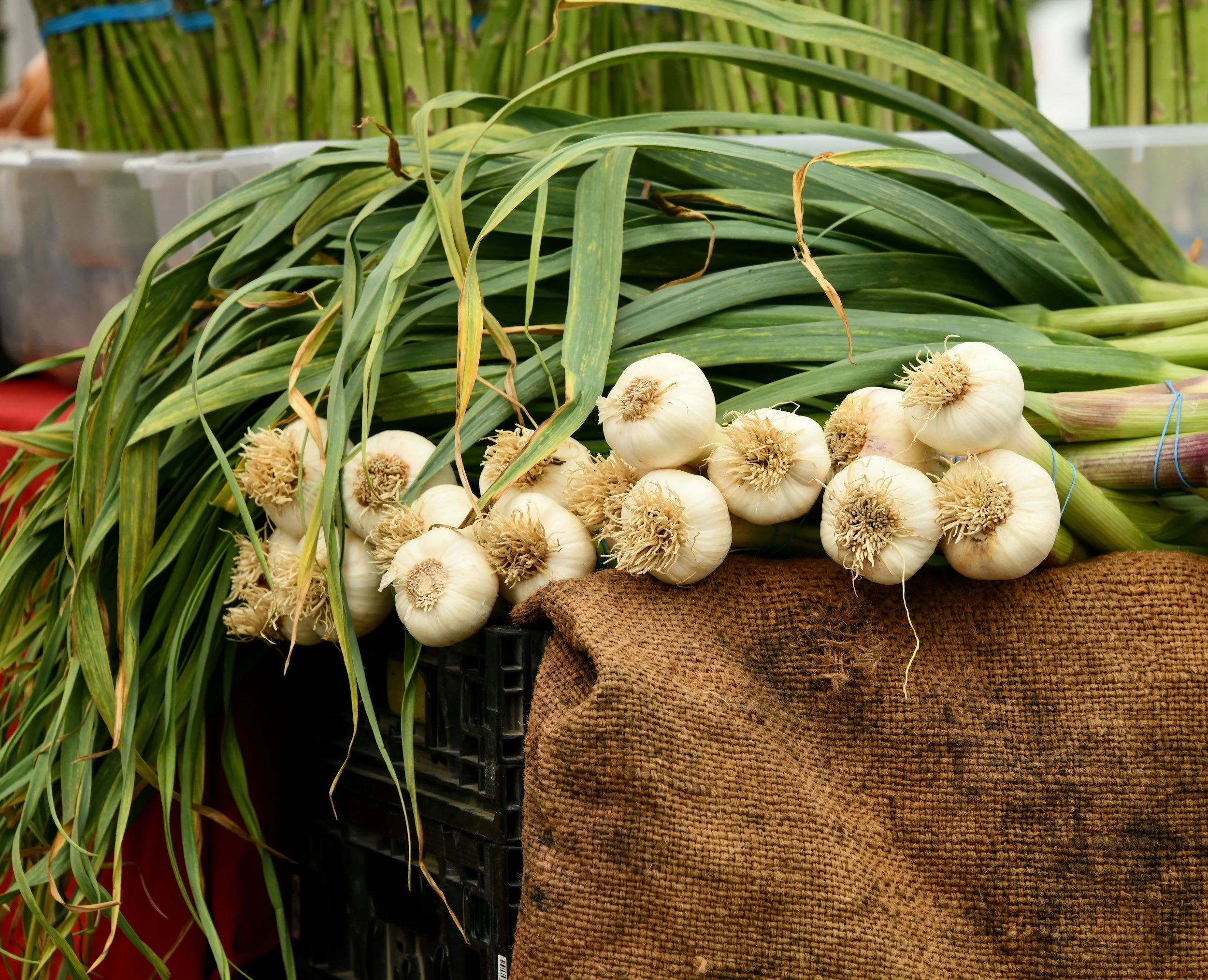
Population studies in China and Italy found that the incidence of stomach cancer is lower in people who eat lots of garlic. In the United States, the lowa Women's Health Study-an ongoing Iowa State University diet and health study of nearly 35,000 women aged 55 to 69-found that people who eat garlic at least once a week have a significantly lower risk of colon cancer: Garlic may have powers against other cancers, too, such as cancer of the bladder, breast, and prostate.
ANTISEPTIC
In India, garlic is used to treat ulcers and wounds. If applied externally, it will help reduce swelling, prevent sepsis and treat skin blemishes. Garlic powder is also helpful in open wounds.
ANTIBIOTIC
Garlic is said to be nature's best antibiotic. Unlike modern antibiotic drugs, garlic does not produce harmful side effects. While it does not work as fast as chemical drugs (prescriptions), it is safer and (at least) as equally effective.
Bacteria cannot adapt themselves to garlic as they can with chemical drugs. This makes garlic very reliable. It can be used to help control fevers, combat viruses, rid the body of parasites, and treat infections.
TOOTHACHE
Cut a one-inch square of white bread and coat one side with peanut butter. Lay the pulp of one crushed clove of garlic on top of the peanut butter and press firmly against the gumline of an infected tooth. Leave in place for about two to three hours. The pain should begin to disappear within about five minutes.
BURNS
Healers in China have used garlic to treat both major and minor burns. When an onion and a clove of garlic are run through a food processor, the pulp can be applied to the skin and covered with a light gauze dressing. Applying olive oil to the skin before applying the garlic will help prevent irritation. Change the treatment every ten hours.
EXPECTORANT
Garlic syrup can be made to help coughing, respiratory infections, chronic bronchitis, asthma and hoarseness. Boil one quart of water and pour it over one pound of sliced garlic. Let it stand in a sealed container for twelve hours. Remove the garlic pieces and add sugar or honey to make a syrup consistency. Take as needed.
Garlic is seen as one of nature's most versatile herbs. Nor only is it inexpensive, but it is very easy to grow and is unquestionably effective. Usually found in any good cook's kitchen, garlic is more than just a tasty addition to meals. Today, garlic is one of the best selling foods in Europe, where it is accepted as safe and effective by both medical authorities and government officials.