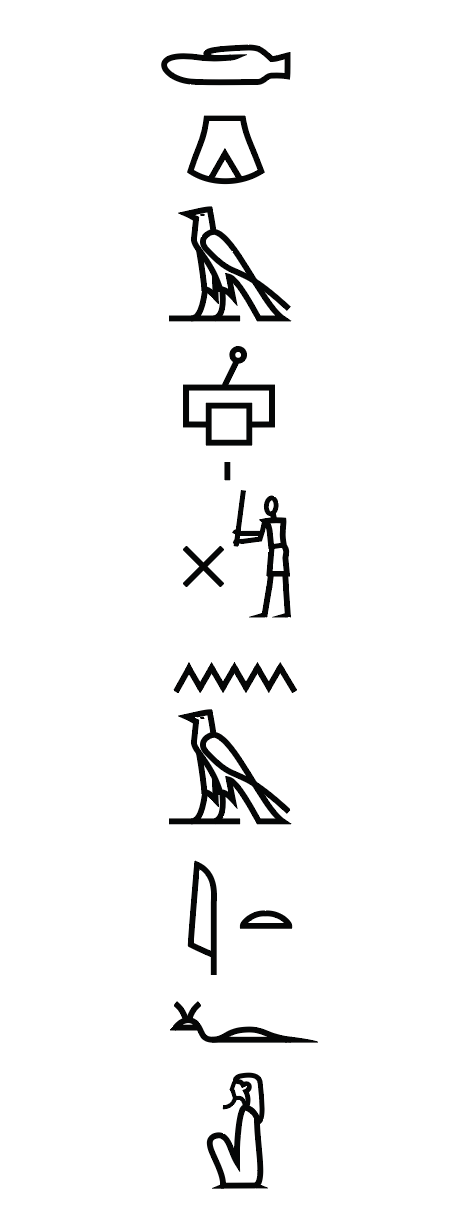
Destruction Never Tasted So Sweet
In His Father’s Footsteps: Destruction Never Tasted So Sweet
Destruction has never tasted so sweet! The appetiser before the entree awaiting us at the bottom of some treacherous precipice, some dark, dank, blood-stained pit of carnage; where broken bodies still writhe with the last vestiges of life that escape in fits and starts; just long enough for the realisation to flash fleetingly through the mind, the instant before the final dark: “Wait! This is not what I ordered!” The Clarion sounds a solemn dirge that seems unending, for the sea of souls rushing, pouring, over the edge of calamity in a ceaseless tide: “Wow... what a ride!”
Traditional healers have long ago noted that the things that are poisonous to the body are also somehow perceived to be sweet tasting. As such, this fact has led to a mantra my master has chanted time and again, “What will destroy you will come with a sweet taste”. If it did not have that sweet taste, that enjoyable aspect, that part that allows our sense of legitimate reaction to survive, to go un-alerted; if, in other words, it was repulsive, distasteful, and unappealing, would anyone die from, diabetes, heart disease, high blood pressure, obesity or any of the other many physical diseases that result from aspects of over-consumption? But let’s not stop with just consumption, because there are many other aspects of this material life that can parallel and be analogous to this “sweet taste”. Perhaps our entire colonial life has been engineered to capitalise on this unbridled craving for the “sweet taste”, such that we have become captives of our own appetites, more than anything else...
Yes, slavery never tasted so sweet! Excitement wanes, and exalted pains replace the momentary sweetness that swiftly retreats in exchange for a bile-like bitterness with its chaser being regret. Yet, as we read these words, it would be challenging to convince anyone that indeed that “sweet taste”, from whichever source we derive it, has been manipulated to be the new chain of our collective bondage. Markets in the world of capitalism are moving away from the exchange of commodities, produced to “enhance” quality of life driven by our appetite for comfort and convenience, to monetising the appetite itself; whereby one’s value can be assessed by the extent of one’s potential to gratify their appetite and, by extension, submit to self-imposed enslavement. Certainly, we can and have been enslaved by our own desires.
If, at the point of being unfettered from the tyranny of chattel enslavement and colonisation, we turn around and find ourselves in bondage anew, of our own accord, would it not be reasonable to suggest that there must be something appealing about it? The world, in relatively recent times, has seen its share of turmoil as a result of the imposition of the vilest atrocities, of which chattel slavery, without fear of exaggeration, may be considered the most heinous. However, it is this writer’s submission, that while this is certainly true on one level, there is perhaps a deeper more devastating evil that is plaguing us as you read these words.
The wisdom of the sages of old has proved true, as lessons on the vulnerability of humanity to their desires and the fallacy of a life motivated by ambitions, swiftly steer our world toward imminent extinction. Chattel slavery and colonialism are symptoms of humanity’s exuberant indulgence in the vice of the “sweet taste”. And as our condition degenerates from misery to deeper misery still, we are oblivious to our degradation and destruction, entertained as we are. “When foolishness is rewarded, wisdom becomes useless,” is an apt proverb that comes to mind, as coined by the priest PtahHotep.

How then do we avoid rewarding foolishness when its indulgence and indeed its celebration, is the prevailing trend? When the visceral sensations of our physical experience reinforce those trends, what do we do? Perhaps we can only be reminded of the one thing we will all face: Death. Using this as a springboard to snap things into focus was the practical approach our Ancestors took in dealing with our reality as a species. If we can recall having no say in coming to this life, yet having arrived here we find ourselves desperately riding the latest trends for a sense of fulfillment, then that would suggest that we are beings that somehow have ‘gratification of desires’ as a purpose. But if that is the case, is death desirable? Really, we would not say that anyone truly looks forward to death. Maybe that is why we weep so deeply at the death of a loved one. So then could fulfilling our desires, as promoted by this system, be our true purpose, when no one truly desires death? And yet we must all, every single one, no matter how much money and power, face it. No matter how much capacity one has to fulfill their wildest desires they can not satisfy the desire to avoid death. Perchance this is suggesting that there is some other purpose to this life than pursuing our desires.
The enigma of the purpose of humanity has been solved many many ages ago as a result of our Ancestral culture acknowledging and facing the reality imposed by death. It is, ironically, only the blind ambition and desire of modern society, in avoidance of this fact that has led and is leading to the destruction of the world. In our folly and under the powerful impression of our material existence we have stooped to the undignified state of grasping at the low-hanging fruit and with the gratification of our itch for the ‘sweet taste’, secured our place below the ranks of the animals. Lo, we have lost even that bit of our natural instinct to survive in blind pursuit of our insatiable desires, when in fact it is survival that is indeed sweet.
The desire to create made sour milk, but fresh milk is not bitter.
-Fulbe proverb