
The Renunciation of Real Wealth for Conceptual Wealth
The Renunciation of Real Wealth for Conceptual Wealth
Nowadays it seems that indigenous or traditional cultures, their practises, values, mores, etc. are hard to come by. It is as if they are being or have been extinct and the mores of modernity have taken over. Though this may be true in some or even many cases, there are still indigenous cultures thriving in the same or similar manner as they have been for thousands of years.
One primary distinction between those indigenous cultures that have survived and thrived under the thumb of colonisation versus those that have collapsed and even disappeared is the practitioners’ will to preserve the culture. Over the centuries we can see that many cultures have succumbed to colonial pressures for the purposes of proving their value to the white man.
As time passes and more and more instances of this take place, the result has been and will continue to be the annihilation of that culture. Embedded within the culture itself has to be the mechanisms for self-preservation by which its adherents stand steadfast to. Present generations need to acknowledge that they inherited the cultural values, resources and tools they have, only because prior generations worked to preserve that and now the present generations have the same responsibility.
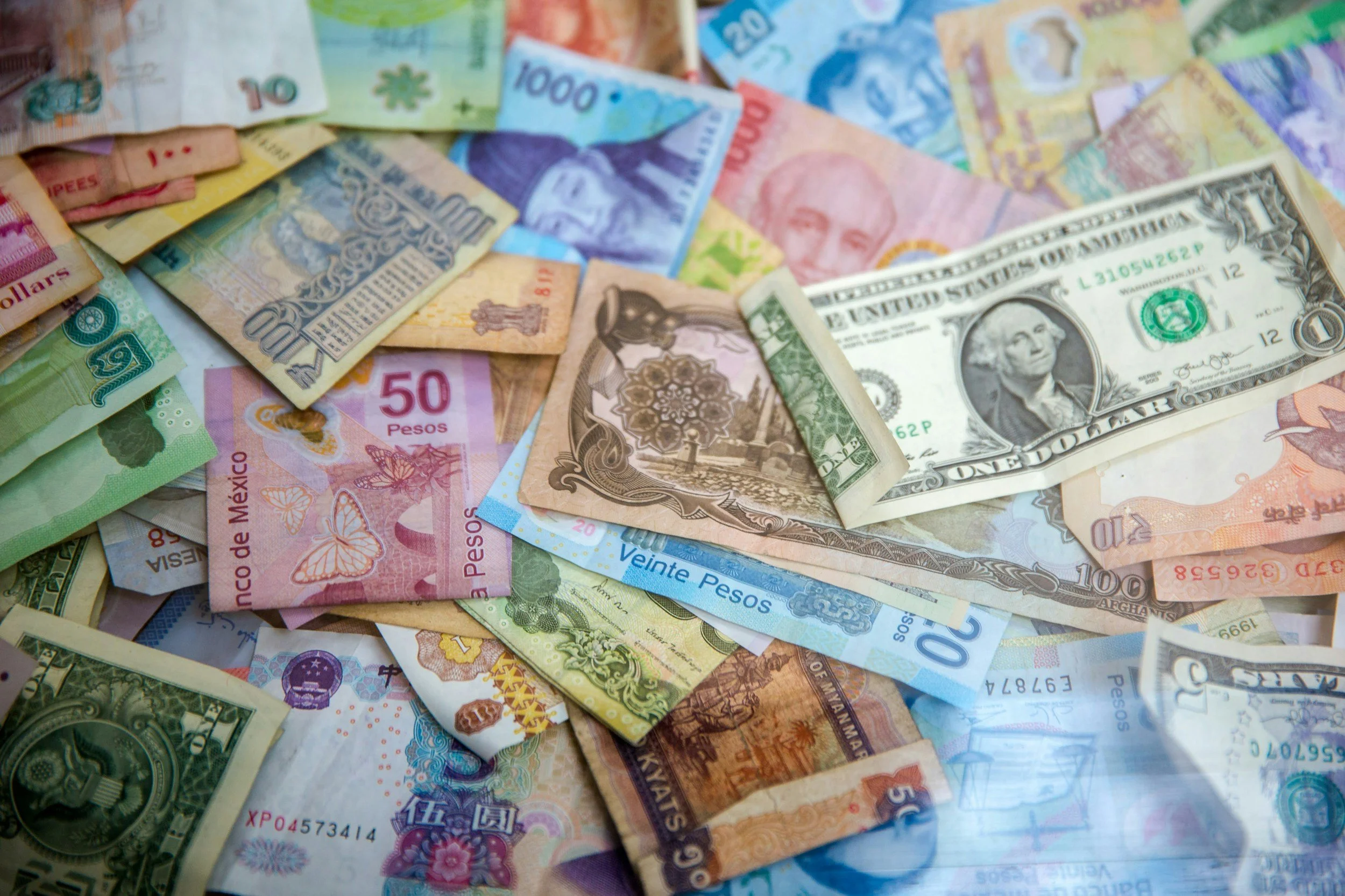
Paper money is one example of a token that has led traditional people down the path of renouncing their culture in order to gain acknowledgement within the white man’s system. Cultures have sold themselves, their survival techniques, spirituality and all that they stand for in exchange for the conceptual value of money. Even a dog knows the paper has no value. If there’s a mound of money sitting next to a bone, which one will the dog go to? How gullible can you be to give up cultural secrets, natural resources and self-production capabilities in exchange for pieces of paper with white men’s faces on them? Well, coming from cultures that were highly developed due to their social sophistication and cultures that had a strong capability to harmonise with nature, this is just what some indigenous cultures have done, though they sustained themselves for centuries without the need for money. What it has come down to is if the right price is set, you can get a person to do just about anything.
If we take a look back into Kemetic history, we can see the conceptual value of money has its origins in spirituality. In traditional spirituality there is the understanding that there are physical representations of Neteru (gods) and by making houses, the Neteru can enter. If in fact their non-material essence enters the house, then the physical representation is present in the house. There is a hierarchy to the house beginning at the bottom with vegetal houses made of sand, dirt, clay, earth, etc. then statue or stone houses, and at the top is Iron or metal houses which are made of silver, gold and other precious metals.
The house needs to be appealing enough for the Neter to enter. Each material within the hierarchy can be perceived as more or less appealing to the Neteru.
Gold is the most appealing as the purity is very very high; we can see gold can withstand the elements and outside forces and still maintain its qualities. It is from here that we can find the original reason why jewelry is worn. Neteru find the metals appealing and surround the one adorned. If you give an offering to a Neter, it is favourable to give an offering of gold.
Being that Kemet expanded across the globe these traditional practises are not foreign to the continent of Asia. The Shree Siddhivinayak temple in Mumbai, Maharashtra, India houses the elephant deity Ganesha. Within that temple devotees have made offerings of gold to the temple and this deity for centuries. The temple itself is partially gold-plated. As a result, this temple now houses roughly $65 million worth of gold. The temple is now guarded by 65 security officers. This temple is not an exception, like this one, there are many all over India that have tons of gold stored in vaults that were offered to the temples and its’ deities. When such offerings are made it is often a promise made in exchange for a wish. When that wish is granted by the deity housed in the designated temple, the devotee offers gold to make good on their promise.
India as a whole has billions of dollars in gold jewelry, coins and bars as offerings.
India is one of the world’s largest gold consumers, importing 1000 tons of gold a year.
The current Prime Minister of India, Prime Minister Modi, is calling on temples in India to turn over its gold in exchange for high interest payments. The government would melt the gold and loan it to jewellers to meet India’s insatiable appetite for gold and reduce India’s current trade deficit of $190 billion, partially due to India’s gold imports.
A chairman of the trust of the above-mentioned temple stated “We would be happy to deposit our gold to nationalised banks if the policy is beneficial, safe and earns good interest.” This is not an uncommon response for those in chairperson positions of temples in India. However devotees in some cases have contrary responses. One gold merchant said he and his father donated around 200 kg of gold to Siddhivinayak and other temples over the years and said “it would be a sin for the temples to earn interest on the gold offered to the gods. “I make donations to God; not to any temple trust.”
A temple in South India had orders from India’s supreme court to open its vault up for the government to take inventory of the gold stored there as a result of a man filing a lawsuit based on his concerns about how the temple trust was taking care of the temple’s wealth. The Supreme Court ordered the state government to take control of the temple and its assets from the royal trust. It also ordered the trust to hand over responsibility for the temple’s security to the police.
“The members of the royal family of that region entrusted their wealth to the temple because they consider themselves to be servants of its presiding deity. The deity, Padmanabhaswamy, is considered by devotees to be an aspect of the Hindu God Vishnu in eternal sleep.”
Even though India holds more gold than most places in the world it’s gold reserves are lower on the reserves list than many other countries around the world. A gold reserve is the gold held by a national central bank, intended as a store of value and as a guarantee to redeem promises to pay depositors, note holders (e.g. paper money), or trading peers, or to secure a currency. If Prime Minister Modi is successful in getting temples to exchange its gold offerings for interest payments, this may change India’s place in world gold reserves.
Perhaps it will be difficult to entice people deeply rooted in Hindu practice that have been practicing these traditions generation upon generation. But as was stated before, for the right price, you can get someone to do anything. For some temples, it is that interest rate price that will make or break their decision of renouncing offerings to deities that were made by devotees for centuries. It is these kind of decisions where the preservation of a culture begins to deteriorate. Generations of these kinds of actions and behaviors will leave future generations with nothing but the shallow values and culture-lessness that the white man’s system is pushing forward.
It’s time to stand up and make a decision as to what you stand behind- conceptual or real value? Real value lies is in providing for one’s self and investing and growing those things that develop one’s self on a spiritual, physical and mental level which are conducive to the survival of those generations coming after us and honor those generations that preceded us. Selling offerings to gods that were made by our ancestors in exchange for paper is a far cry from honoring your Ancestors.