Grain of Selim in Cooking
Herbal Healing: Grain of Selim in Cooking
Cooking is an artform that serves not only for our taste but more importantly for our health. The food that we eat helps our body remain resilient against the challenges of our environment. The nature of our food is that it is also our medicine. The nutritious foods we cook are prepared to aid our organs, prevent sickness, and expel disease. Traditional dishes strive to make the most of the healing properties of nature with the purpose of providing vitamins for the body and energy for the person, while tasting good…
One of the most important ingredients often used in traditional cooking in Meritah (Africa) is commonly known in markets in the modern society as “negro pepper” or “grains of selim” (xylopia aethiopica). This spice is very well known throughout the continent and therefore has many different names. It is known as “uda” or “uda ewitea seed” in Nigeria, “djar” in Senegal, “hwentia” in Ghana, “kieng” in Cameroon, and “sozey” in Togo to name a few. It is even known simply as “African pepper” or “Ethiopian pepper” or even “Senegal pepper,” so be sure to view the spices when you go to the market, because chances are they have it just under a different name.
In the Muslim community in Meritah, there is a spicy rice porridge that is served after mid-afternoon prayers (which is also the same porridge served to break the fast during Ramadan) and the spicy ingredient in that porridge is in fact grain of selim. Similarly there is a breakfast drink in many areas of Meritah known as “koko” (commonly known as “Hausa koko”) that is a spicy millet pap that also includes negro pepper.
Negro pepper is a powerful cleanser. The main healing property in negro pepper is “emptying” or “removing” whatever has built up or infiltrated the body. Consuming negro pepper will clean out one’s innards, namely the stomach and intestines, as well as the uterus. It destroys and expels worms, relieves flatulence, increases menstrual flow, has a strong laxative effect, and will even deal with eliminating hemorrhoids as well. Negro pepper can be eaten everyday and will never harm the body except in the case of pregnant women. It is an ideal remedy when one complains of a “tummy ache,” constipation, diarrhea, or other digestive issues, but in general it is a good ingredient to incorporate into the diet.
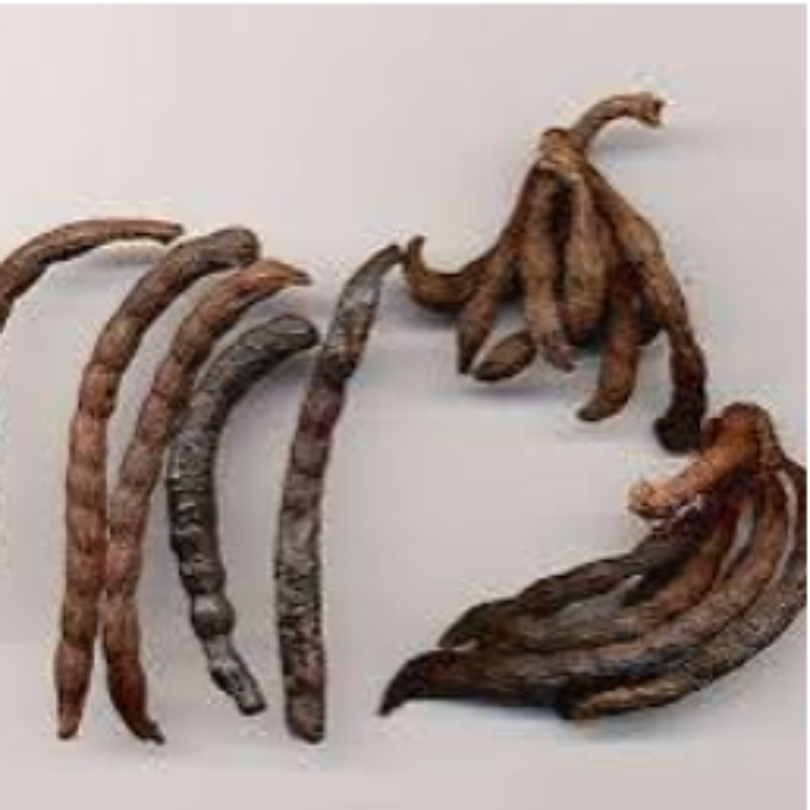
Negro pepper is technically not a pepper at all, but rather is in the “custard apple” family (annonaceae) of flowering shrubs and trees. The fruit itself grows in clusters joined together (just like bananas) and hang from the branches of an evergreen tree species. The fruit pods are bright green and hold 5 - 8 seeds per pod. When the fruit pods are harvested they are sun-dried for about a week, giving them their reddish brown color. Negro pepper is characterized by its smoky-spicy taste because the pods are often smoked during the drying process. By the time you buy it at the market, they look like dried twisted bean pods with a brownish black color.
In order to get the medicinal qualities from grain of selim, you don’t necessarily need to eat the dried pod itself, but you do want to make sure that you use both the “fruit” and the “seed” when cooking with it (basically the entire pod). In fact, the simplest way to prepare negro pepper is to boil it whole and drink it as a tea. But if you wish to consume the actual fruit and seeds, it’s best to grind up the pods beforehand and flavor your food as if it were another spice. But most meals are commonly prepared with the whole negro pepper, and you can either eat around the pods or remove the pods before serving. As a medicinal tea, it can be steeped alone but is normally combined with ginger and cloves for additional medicinal benefits.
Negro pepper is also an important ingredient for women who have just given birth. Interestingly, it is the seed of negro pepper that is given to lactating mothers to increase their milk flow. Also, the fruit portion of the pod helps eliminate excess tissue in the uterus therefore slimming the woman down and contracting the uterus back to it’s normal size. This is precisely why women who are still pregnant must not consume negro pepper, especially in the beginning of the pregnancy, because of the healing property to eliminate what’s in the uterus, consuming negro pepper can terminate a pregnancy.
If you are unfamiliar with how to use grain of selim in your kitchen, simply use it like you would black pepper in your stews or soups. You can even use it as a rub for your fish and meats. And if you are trying to keep it real simple, just boil a handful of negro pepper in water in a large pot and drink it every day until it’s finished. But it should always be consumed hot or warm because consuming cool or cold things is damaging to the organs in the body. Ingesting food that is room temperature or too cold will force the body to work extra hard to warm up, which is stressful on the innards especially when the person’s health is already struggling.
Being a “good cook” often means the person makes tasty meals. That’s great for our tastebuds, but what about the thought of the rest of our body and organs? Anybody can make something taste good by adding lots of sugar or salt to it... but those foods are damaging for your body. When one can prepare a meal that is simultaneously delicious and medicinal, you have a true master on your hands. Grain of selim is an easy spice to incorporate in your cooking that will benefit your body. Try this medicinal herb in your diet and see for yourself.