
Pharmaceuticals Don’t Work
Pharmaceuticals Don’t Work
Although more people are experimenting with alternative medicines and techniques, the mainstream public relies only on the modern healthcare system to keep them well and to treat them when they are sick. The system has done an excellent job of creating a public that is passive and dependent on its medical system; from the time we are born (taking babies to the doctor at two weeks of age) until the time we die (one peek inside a hospital morgue will be all it takes to realize how many people die in hospitals), modern man is at the whim of doctors, surgeons, pharmacists, and pharmaceutical companies. Isn't it interesting how a human being will take any pill, liquid, or injection because they have been told to do so by this mighty system, despite the fact that this substance contains poison, disease, or chemicals that can harm the body?
Despite the heavy propaganda and conditioning the modern medical system applies, people are slowly beginning to look into alternative therapies. People are starting to ask for second opinions. People are starting to doubt that the modern medical system is the of-all, end-all of healthcare, and are looking elsewhere for solutions. People are slowly seeking a way out of the modern medical maze. While there are many reasons for this slow exodus, the reason that is given by most people who are searching for other methods of health is that the solutions offered by the medical system simply don't work!
Drug companies know that their pills and liquids don't work for most people, but they would never admit this to the public! Until now. A senior executive at one of England's largest drug companies has publicly admitted that most prescription medicines do not work for most people.
Geneticist Dr. Roses from Duke University said, "The vast majority of drugs - more than 90 percent - only work in 30 to 50 percent of the people. I wouldn't say that most drugs don't work. I would say that most drugs work in 30 to 50 percent of people. Drugs out there on the market work, but they don't work for everybody." Doctors often use the trial-and-error approach to healthcare - if one thing doesn't work, they "I think everybody has it in their experience that multiple drugs have been used for their headache or multiple drugs have been used for their backache or whatever. It's in their experience, but they don't quite understand why."
"Neither those who pay for medical care nor patients want drugs to be prescribed that do not benefit the recipient.” Unfortunately, this is what is happening.
A patient with Alzheimer's disease has only a one in three chance of the drugs helping him because the drugs help only one out of three people who take them. Cancer treatments (from the medical system) only help twenty-five percent of patients. Drugs for osteoporosis, arthritis, and migraines have been shown to benefit only half of those who take them. Other drugs, such as those for herpes, only decrease symptoms without curing the condition itself.
These drugs that people are taking that are not effective are causing more harm than good. Every prescription comes with a long list of potential side effects: from headaches to liver damage and from nausea to strokes, drugs are dangerous! We are introducing powerful chemicals into our bodies, and not only do they usually fail to do what they were prescribed for, but they also pollute and harm the body.
Of course, this admission by Dr. Roses and other people inside the medical system has caused a backlash against them from the media and their peers. This admission was a dangerous one; the drug companies, hospitals, and doctors have no interest in people becoming wary of their products and services, as they are making billions upon billions of dollars every year "helping" our health woes. If the public loses confidence in the system, these pillars of society will lose their authority and eventually will fall. The system will do anything to protect its own interests. Including allowing others to be poisoned by their products.
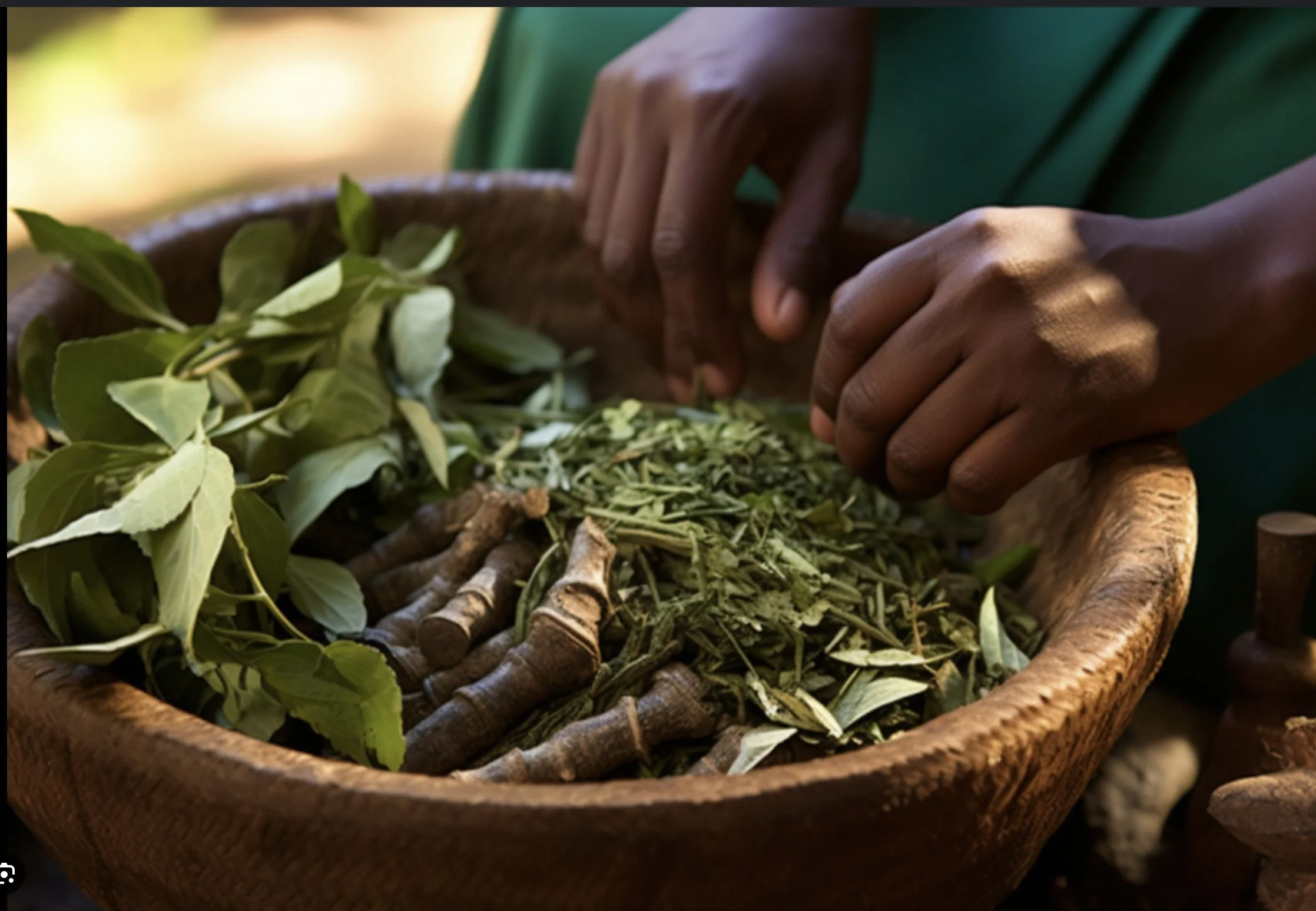
Alternatives to the medical system are available if one chooses to look. Interestingly, some therapies and methods that are considered "alternative" are being streamlined into the modern medical system (the medical system wants to continue to make money), such as massage therapy, acupuncture, and even some herbal solutions. Others, however, are downplayed and made by the system to be seen as dangerous, ineffective (which is enjoyably ironic), or ungodly.
The government prevents specific labeling of herbs - companies are prevented from disclosing what conditions the herb treats or cures on the label or literature. Healers are jailed for "practicing medicine without a license" and their herbal stocks are raided and destroyed. Those who have the cures for diseases and conditions are forced to help people underground for fear of being prosecuted, and the system will prosecute if it feels threatened.
The medical system's fear (and the current social system, as it cannot survive without the medical system) of herbs, herbalists, and alternative therapies is very telling. If one is not afraid of being exposed, one does not fear another's success. Perhaps if the drugs, surgeries, and practices of the medical system were sound and effective, they would leave natural healers alone. It is because they are still searching for the knowledge that traditional healers have held for thousands of years that they feel threatened. It is because their drugs are not effective that they fear herbs. The medical system knows it has failed - it just does not want the people to know!