
The Lynching of Emmett Till A Documentary Narrative
Book Corner: The Lynching of Emmett Till A Documentary Narrative
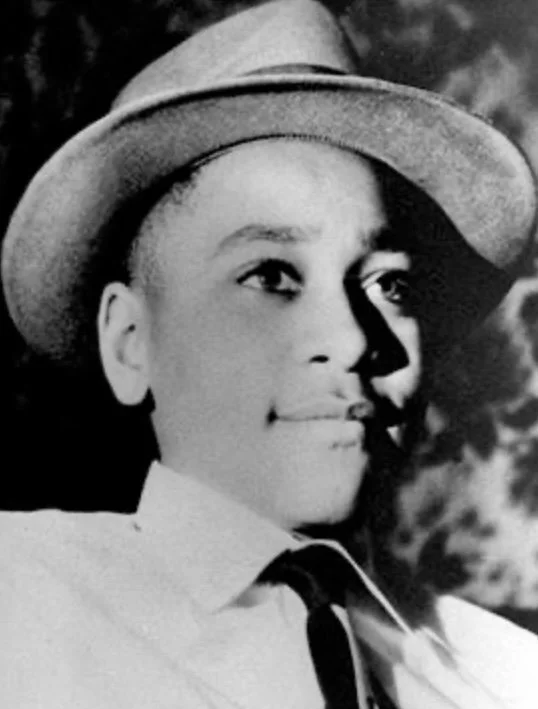
On August 28th, 1955, fourteen year old Emmett Till was abducted from his great-uncle's cabin in Money, Mississippi. He was never seen alive again. When Till, who was visiting his great uncle from Chicago, was found dead on the Tallahatchie River three days later, two prominent local White men were arrested for his murder. This story created a tornado of news stories, editorials, comments and letters, and it is said that the incident became the spark that ignited the civil rights movement.
In his book The Lynching of Emmett Till, Christopher Metress approaches the subject with a unique perspective - he lets the story unfold and the emotions, anger and fury surrounding it explode as it happened by juxtaposing news accounts and memoirs, letters, and poetry, including a newly discovered Langston Hughes poem. Using more than 100 documents covering nearly 50 years, the reader is allowed to read about events as someone did during that time!
"The trial is over, and this miscarriage of justice must not be left unavenged. The Defender will continue its investigations, which helped uncover new witnesses in the case, to find other Negroes who actually witnessed the lynching, before they too are found in the Tallahatchie River," said a 1 October 1955 article in the Chicago Defender after the two White men were acquitted despite overwhelming evidence of guilt.
Emmett "Bo" Till was a well- liked boy who was visiting his great uncle for a vacation. According to sources, Bo had gone into the neighborhood store at the urging of one of several companions to "look at the pretty lady" behind the counter and to buy some bubble gum. Till allegedly made "rude comments" to the White lady behind the counter, who was the wife of one of his murderers. According to Till's companion, Bo went into the store and said "goodbye" to the woman when he came out. She followed him outside, and Bo whistled at her.
Not long after, Till was dragged from his bed in his great-uncle's cabin and was found dead days later.
The way the story is presented in Metress' book leaves the reader forced to deal with the emotional landslide that the incident inspires. This historical account gives the reader a glimpse into the social realities of Till's time, and sparks anger and disgust. It is a must-read for history students, civil rights leaders, and anyone else interested in knowing the truth.