Altered State of Reality
The Initiate: Altered State of Reality
There is a question that I have often asked myself throughout my life, and I wonder if you have asked it too. What is reality? What is this realm that we are all dealing with, that surrounds us, and of which we ourselves are an aspect? What is this that we are experiencing at every moment of our lives, which we learn from and are challenged by as we interact with it through our senses; touch, taste, smell, etc.? Is it something that each of us has fabricated on our own? If we all have our realities, is mine the same as yours? Let me ask you this. If I have my own reality, and you have yours... does this mean that we are both functioning from reality? Hmmm...
The teachings of M’TAM (The initiation process provided by the Earth Center) reveals to us that the brain carries the potential to be a very powerful tool used by the human being for either good or evil. The key feature of the brain that we must all understand is that if it is left by itself without a form of inspiration to draw from, the brain is completely useless. The brain cannot create anything without having an influence first, its basic function is to receive and process information. With each experience that we encounter at every stage of our lives; from the time that we are born, until the time we die, our brains build and store information that we can then examine, dissect and mesh together to construct our perceptions and understandings of what we call reality.
M’TAM also teaches that reality is something that is created by outside forces, but is also subject to our individual perception. This notion of perception is key and, as stated above, it is developed over time. This ability for a perception to be formed should concern us all, and it leads me to question. If we know that we are nothing more than the accumulation of various experiences, and these occurrences are what mold our perception, then are there individuals or groups of individuals that are working to control our experiences and our perceptions? If so, who are they? If we know who they are, then we must ask them, what their intentions are behind the perceptions they are helping us to build. What are the outcomes that they wish us to reach by having these viewpoints?
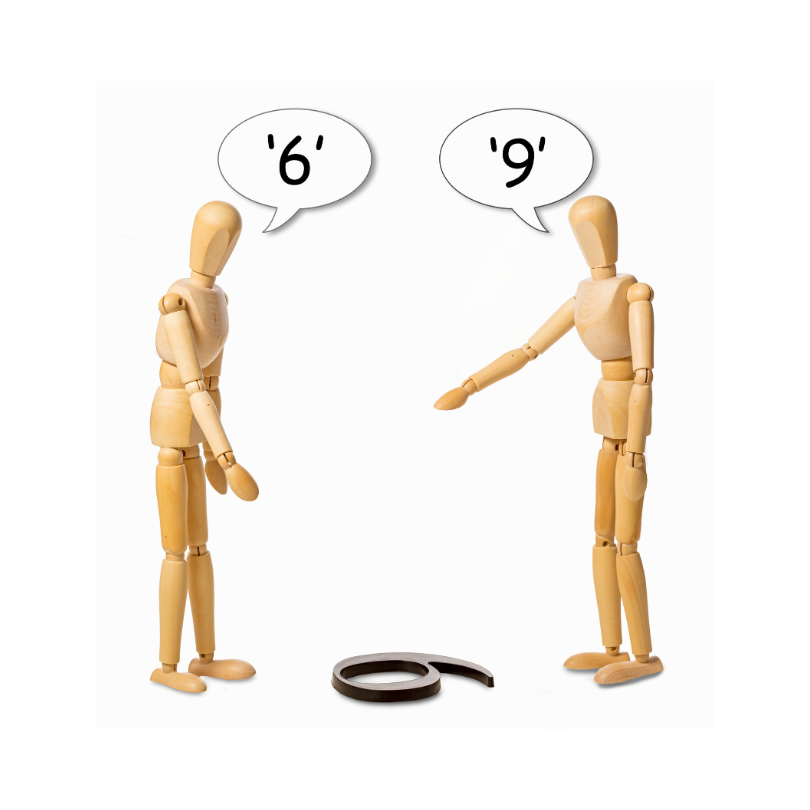
If we find the answers to these questions and we do not approve of them, then we must be honest with ourselves and understand that we are in great danger. If we do not appreciate our society or the state of our surrounding environments, we must understand that that same disapproval, that same corruption that we see everyday within large corporations, within our governments and politics, on television, and within our schools, neighborhoods, and households are what we have been exposed to throughout our entire lives. So, this means that we are the products of these exposures, all of the corruption that surrounds us does not just surround us, it penetrates through us too! We have to face the fact that our approach towards reality, a reality that is full of pollution, has, in turn, polluted our perception of everything; from our neighbors to nature, our planet, and even the Universe. They are all being perceived through a skewed lens, and that distorted view places us in an altered state of reality.
The human being’s viewpoint of both themselves and their surrounding reality presents a great obstacle to overcome. The search for the true face of existence is a quest that is as old as time, and many have spent their lives in search of it. When we read books or look at images of indigenous cultures, we can see that they live(d) in a much different state of reality than we do in the “modernized” areas of the world. Not only is (was) the connection with nature much closer, but also we can see a great mysticism within these cultures. We can see great respect for higher forces coming from nature and the heavens that seem to permeate everything. Plants, animals and other entities that these cultures co-exist(ed) with are all held in high regard. Why is it that we are so quick to label these cultures as primitive, pagan, practitioners of black magic or witchcraft, etc. Why are we so quick to feel a sense of pride or progression with all of our machines, technologies, and weapons of mass destruction while we look down upon those who don’t have them and don’t necessarily need them. It seems logical and fair to say that it’s all a matter of perception.
It seems like an impossible task to truly find out whose ways are better, between the modern and the traditional ones. There are countless numbers of arguments that can be made. But one thing is clear, despite the fact that we may not be familiar or comfortable with the traditions of indigenous cultures, we can see that they have not created the amount of destruction that our modern systems have. They have not created the amount of pollution and waste that we continue to produce. And they have not created weapons that harness the capacity to destroy the entire planet that we inhabit. I say again, it is interesting how we can so easily label another culture primitive or underdeveloped without fully understanding why they do what they do. We can deem them savage or barbaric because they worship different Gods, they believe in spirits and ancestors, they sacrifice animals as offerings, use plants for healing, live in huts, eat with their hands, or wear fewer clothes than we do... When we hastily judge like this, really, what we are saying is that they are ignorant and we are smart... they are worse off and we are better... and in regards to their knowledge of the spiritual or supernatural domain... their reality is make-believe or fake, and ours is real. It is truly difficult to know whose ways are better, I guess it all depends on what you’re looking for in life... but one important lesson that our ancestors have taught us is that when you point one finger at another, you point three back at yourself. Perhaps after all the pity and sympathy that we project upon indigenous people and their customs, maybe it is they who feel three times the amount of pity for us.