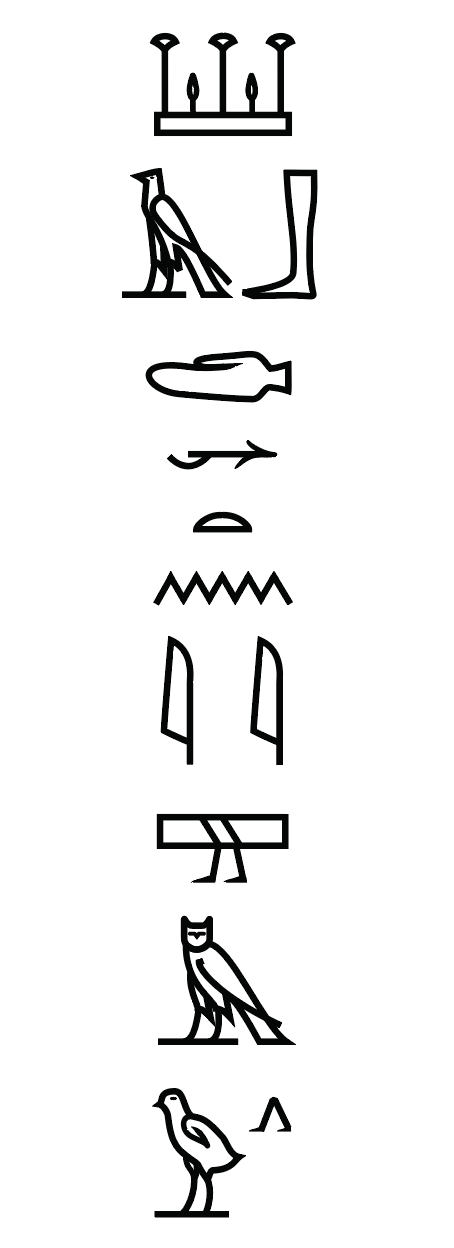
Pan-Africanism & Kemet
The Pilgrim’s Walking Stick: Pan-Africanism & Kemet
At the end of the 19th century, after the horrific era of chattel slavery and the decision made by parasitic European leaders to divide this sacred planet into colonies for their own personal pillage and usurpation playground, men around the territories colonised by Europe began to realise that there should be a counter force led against the system of colonisation in Africa. These men were colonially educated themselves. Edward Wilmot Blyden contributed many writings that earned him the title of the “Father of Pan-Africanism”. Other men like Henry Sylvester Williams of the West Indies and W.E.B. DuBois of the U.S.A. initiated what would become the Pan African movement. Representatives from several countries met in London, Brussels, Lisbon, New York and Manchester in the first half of the 20th century. In 1919, they formed the Pan African Congress in France and set out to initiate a code of law for the international protection of the natives of Africa. They were trying to reverse the affects of colonisation on Africa. Their intentions were good; they were wishing to defeat this monster feeding on humanity’s innards but they hadn’t realised that their solution looked too much like the meetings of Europe by European educated leaders who were also deciding what would be best for Meritah born and educated men and women just 35 years prior.
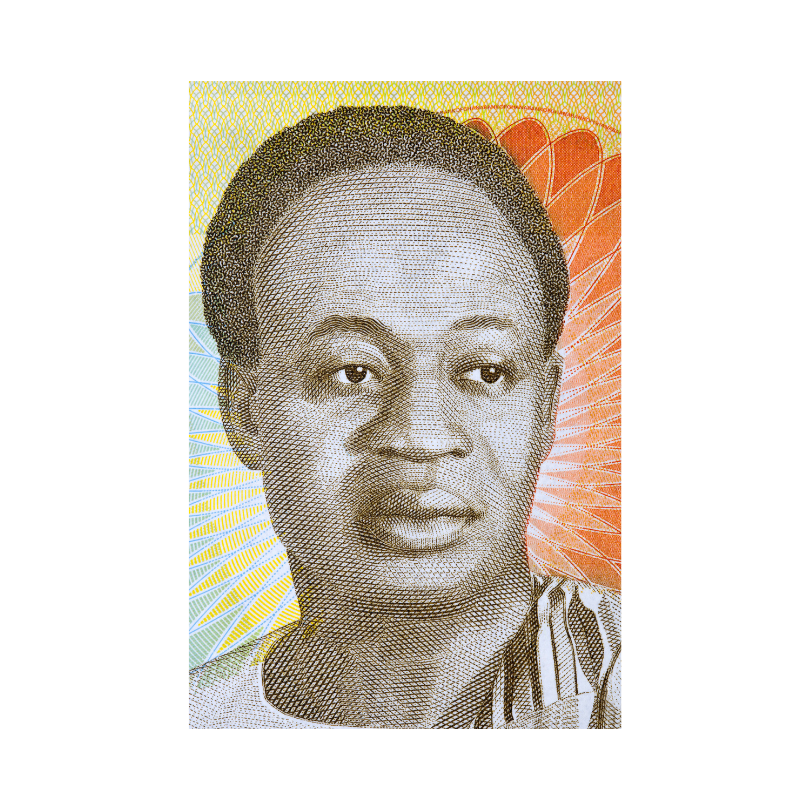
For those in Meritah still living by the principles of the Divine World the only thing that is dividing Meritah is the colonial impact on the continent. So, how could one intend to solve a problem while utilising the resources that caused it? Consequently, the attempts of W.E.B. DuBois and the Pan African Congress didn’t make much of a direct impact on the people of the African continent. However, DuBois’ writings and ideas impacted key figures who would popularise pan-Africanism within the colonised communities of the continent. Politicians like Kwame Nkrumah, Julius Nyerere and others started their own momentum sprouting from the independence movements which gave the leadership of the colonial governments back to Meritah-born but colonially-educated politicians. This momentum would grow into the Organisation of African Unity in 2002. The O.A.U. would evolve into the African Union and focus itself on the political and economic development of Africa.
This accentuates the difference between Africa and Meritah. The truth is “Africa” is a religious and derogatory name meaning “burning souls” given to a place of rich history that has incubated the oldest human cultures on our planet. Those cultures represent a complex social order and intelligent methods of maintaining harmony with the natural world they find themselves within. Meritah (meaning Our Beloved Land) is the original name and identity of the continent and its cultures. One does not achieve the “African” identity while being totally ignorant of the principles that define them. One who is well educated in those principles and the history of those cultures understands that the name “Africa” itself is yet another effect of the attacks waged on the homeland by those wishing to re-write humanity’s history in order to control its destiny.
Further, the term “Africa” has today been adopted by those disconnected from their Ancestral cultural education as an identity alluding to not much more than skin colour. But Africa is not a colour and is not a term earned by simply being born with darker shades of skin. Many people born on the African continent within those cultures have very light skin. The colour obsession has been utilised in the mis-education process in a colonial agenda set on destroying the cultural identity and ability towards unification of those it wishes to dominate. Originally, the term “Kem” which identified the colour black, also had deeper spiritual meanings that did not make it exclusive to those carrying darker skin. This oversimplification of Kemetic-Meritan spiritual education is the same colonial mis-education that has sabotaged the Pan-African movement, but more importantly the identity of a continent and its descendants.
The recently enslaved descendants of Meritah who initiated the Pan African movement were building a plan for the liberation, protection and progress of a people belonging to a rich society of which they had no longer had intimate knowledge or experience. Today more and more American and Caribbean born individuals fighting for this cause consider themselves Pan Africanists. They are mostly unaware that those inside the continent do not consider them Pan Africanists. How could they be? Even the term “African Diaspora” to those from the continent represent only African-born individuals who have experience and education into the identity of the “African”. It is not meant for every person of colour. If so, how could we differentiate the African Diaspora from humanity as a whole, which finds its origins in Africa?
For all those interested in supporting their motherland, the first consideration that should be made is that the identity associated with the continent of Meritah has always been one that demanded a lot of education and knowledge. That knowledge is not transferred in the context of colonial classrooms. If one wishes to identify themselves or be accepted as an “African” who is working for the future of the continent then one has to have the humility to learn how to fit that. The authorities of that learning process must be those who never left it and who remain focused on what makes it different than the other cultures that have since sprouted up around the world as well the modern anti-cultures that have waged their rebellion.
May 25, 2016 was declared “Africa Day” by the AU, due to the formation of the O.A.U. on the same date in 2002. The United Nations has declared 2015 – 2024 the International Decade for People of African Descent. However, the majority of Kem who are upholding the traditions that have given the continent its identity have no idea or interest in these colonial declarations. Most are ignorant of the O.A.U. and the A.U. They are structures built to provide charity and the illusion that there is reason to remain in an imperial system that has demarcated them as its victims long ago. None of these organisations have the best interest of the people interested in carrying on their Ancestral traditions in mind. Their interests are not hidden, they are clearly economic development and competing in the world that has been created through the denial of Meritah’s wisdom. There is no true unification that is achievable in that world because that world thrives off of one benefiting from taking advantage of its neighbour.
The Earth Center since the age of slavery, colonialism and neo-colonialism is the first organisation that has brought solidarity between the descendants removed from Africa and the Meritah born men and women. It has brought solidarity between people around the globe who wish to return to their Ancestral ways and put their energy in support of the protection and perpetuation of the Kemetic identity and destiny. It has done this in the only way that it could, through an initiation (or education) of all interested individuals into the roots of the Kemetic identity. It is working to remove the influence of colonialism on the continent and her children and it does so led by the principles that exist within her bosom.
Prophet Neb Naba Lamoussa Morodenibig initiated a Kemetic movement. It is the only unification movement that effectively reaches towards the initial goal of removing the Kemetic continent from the colonial agenda. It is the only unification movement founded on the cultural principles that have already succeeded in the unification of the continent, before the modern ideas dissected it. It is the only Pan-African movement that gives dignity and integrity to the hearts of the people. It’s preamble reads:
We seniors, youths, researchers, intellectuals, priests/healers, and cultural and spiritual activists: builders of all social and professional categories of yesterday, today and tomorrow’s Africa,
- convinced that one has no other identity than his/her history and culture and that no people can develop harmoniously if it does not choose to build its own destiny based on its specific civilisational values,
- aware that the future of a specific group of people cannot fit into another’s past and that it draws its nutritious sap in its own civilisation,
- concerned with searching in ourselves for/the solutions to problems facing Africa and its diaspora, therefore refusing to let outsiders think and act on behalf of Africans, themselves.
- assuming the grandeur of the heritage of the African continent which was passed on to the other continents of this planet,
- determined to draw from indigenous African culture and civilisation the foundation of our economic, social, cultural and spiritual development,
have agreed to set up a non-political organisation with cultural, social, and spiritual vocation called The Earth Center (Kebtah), pronounced “Keb Tah” in the Pharaonic Egyptian language.
The fundamental question of identity is one that many have overlooked in their attempts to recover from colonisation. If you are not actively fighting to ensure your identity, the institution of globalism works to re-educate you with one that serves the colonial master. Let us all return home to instead serve the roots.