
When The Sage Walks, He Leaves No Footprints Behind

IN ORDER TO MAKE the transition from colonial to traditional values, Master Naba Lamoussa Morodenibig, Dogon High Priest and founder of the Earth Center, told us we have to learn to say goodbye. Say goodbye to what? To those values we hold so tightly despite the destructive path along which they lead us; those values and ideologies which we are willing to stand up for even in the face of death. Why is it that we hold onto these values even though we know they are a source of our demise? Is it because of the attachment we have to them? We have attachments to the lifestyles we live, our opinions, the way we think, the people we care for, and this list goes on and on touching every aspect of our existence.
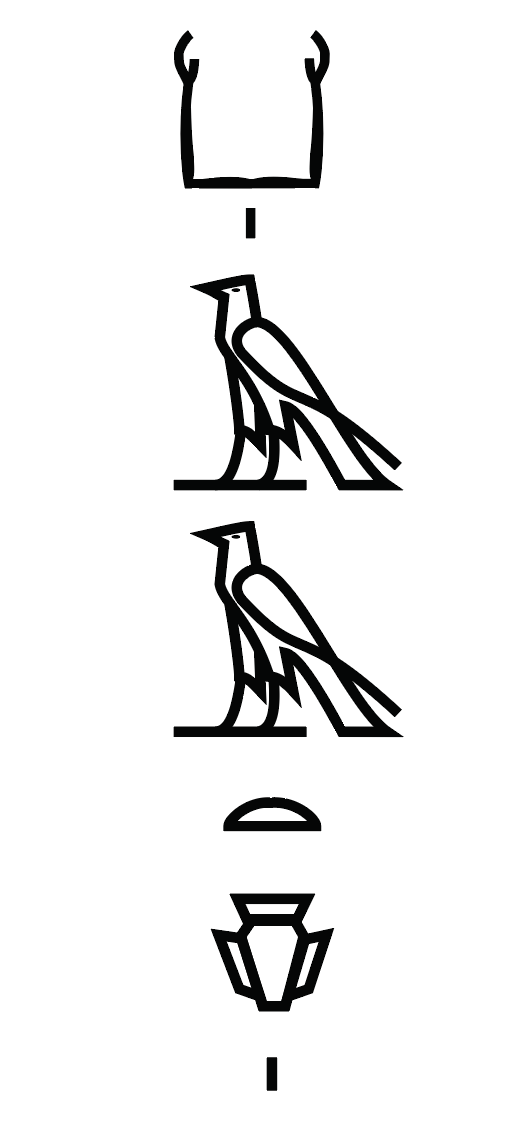
What does it mean to be attached to someone or something? One definition is "devotion of exaggerated amounts of physical and mental energy to that thing or person which we desire. If we don't have it, we obsess over its absence. If we have it, we fear losing it and struggle desperately to hold on to it."
It is a harsh fact to recognise that anger is often incited by an attachment to something. The attachment isn't always to something that provides a sense of pleasure, but can also be to the aversion or negative sentiment associated with something. Let me give you an example. Modern medicine has captured the allegiance of many, even those who have come to it from traditional cultures. The thought that modern medicine is just a chemical copy of the original healing practices of our Ancestors from thousands of years past, is unfathomable. For these same devout adherents, when modern medicine is unable to provide a solution or cure to an ailment, the aversion to traditional healing prevents some from giving the original recipes even a fighting chance.
The excessive or exaggerated importance we give to an opinion, person or thing is what leads us into a downward spiral. Preferences and wishes alone are not harmful; it is the relationship one has with those preferences that can become an attachment of a detrimental nature. One who has a general preference for something but still embodies the capacity to accept life circumstances as they are when presented, has no need to renounce the preference. Misleading impressions of reality are formed when a preference becomes an attachment that clouds the individual's ability to think things through using logic rather than emotion.
Consider this analogy:
There is a fire burning in front of us. It's beautiful. With red, yellow and white. And it's warm. We like it, so we reach out to hold it. And what happens? It burns us. We pull our hands away, because when we reached out to hold it, it burned us. Does this mean we hate the fire and want to put it out? No. Instead, we learned to sit back and enjoy its warmth from a distance, and enjoy its colours in front of us. We can appreciate the fire without holding on to it.
Often, even after being burned time and time again, we still continue trying to hold onto the fire. So rather than seeing things just for what they are, we have a tendency to project disproportionate importance onto any given person, thing or perspective. Well, we know things are constantly changing, and life is in a constant state of becoming or transition. As a result, it is a useless effort trying to control the outcomes of things. The more attached we are to the outcomes and expectations we have for things, the more dissatisfaction we experience. If we are unattached to the outcome, we can reduce our emotional behaviours and live with less stress and frustration.
How do we expect to find calm, focus and clarity on the Ancestral Path while our attachments are pulling us in so many directions?
The path our Ancestors walked is blurred by the many emotional attachments colonial society has sold to us by, first, severing us from traditions that are thousands of generations old and, second, appealing to the basic vulnerabilities of a human being. To get back to the traditions, we have to detach ourselves from these habits and customs that have led us astray from living in harmony with our Ancestors and the Earth.
In accordance with the traditions, our Ancestors recognized the temporal nature of life and so spent the time they had on Earth preparing for death and honouring the World of the Dead and the Divine World. The time we have on earth is but one part of the greater cycle of life which should provide a different perspective on what we value and on how we approach existence. In colonial society, we deny the intrusion of old age and death; and the topic of death is one that is rarely broached. We cling to our attachments to immortality with an endless stream of products and procedures which promise to keep us young, like facial creams and cosmetic surgery. The temporal nature of a human being should serve as a reminder to remain unattached to what can never be permanent.
우