
ALOE VERA
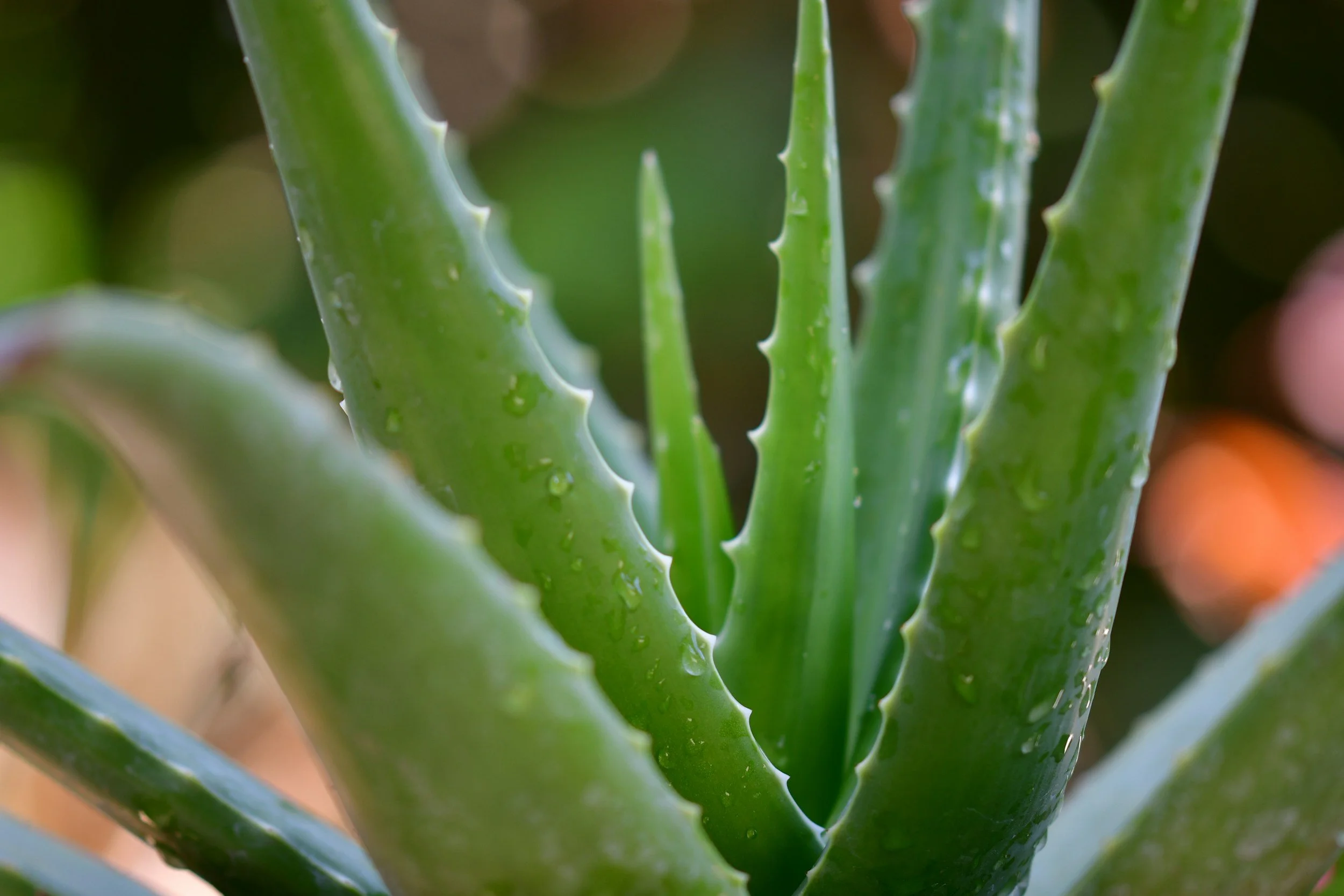
ALOE VERA
In Myanmar it is called Shasauon Letpat. In Traditional Chinese Medicine (TCM), Lu Hui "purges accumulations, drains fire, cools liver, kills parasites, strengthens stomach". In TCM it is taken orally as a laxative, for seizures, asthma, colds, ulcers, bleeding, amenorrhea, colitis, depression, diabetes, glaucoma, multiple sclerosis, hemorrhoids, peptic ulcers, varicose veins, bursitis, arthritis, and vision problems. It is used as an antiseptic, and as a treatment for liver inflammation, however, aloe gel is best known for its use in healing burns, skin rashes, insect bites, acne, herpes, and wounds. The powder of aloe is a very strong purgative and it stimulates strong blood circulation. Aloe Vera is a member of the lily family. A succulent, perennial plant, it has smooth and spiky, fleshy leaves that range in dull grayish green or blue. It buds profusely to produce new plants from the single creeping underground root. It bears a yellow flower. It is indigenous to eastern and southern Africa but has been spread throughout all of the warmer regions of the world. It is also popularly grown indoors. It can grow anywhere from several inches in diameter as a houseplant to several feet in diameter in a tropical climate. There are said to be 300-600 species of aloe that grow throughout the warm regions of the world but three are most commonly used medicinally: Aloe Vera ("true aloe"), Aloe vulgaris ("common aloe"), and Aloe barbadensis. Each leaf is composed of three layers. A clear gel, the part of the plant used for topical application and juicing, is contained within the fleshy inner portion.
Anthraquinones, which produce a marked laxative effect, are contained in the bitter yellow sap of the middle leaf or latex layer. The green, fibrous outer part of the leaf serves as a protective skin.
SKIN AND DIGESTIVE
It is difficult to show the positive effects of aloe on the exterior of our skin without mentioning the healing effects it has on the digestive system. The reason lies in the fact that they are both epithelial tissues. An epithelium is an anatomical term that is defined as "a layer of cells that covers the surface of the body or lines a cavity that connects with it". So the skin, the largest of our body organs, is the largest epithelial tissue. It connects through the mouth with the lining of the gastrointestinal tract as well as the lining of the nose and sinuses, the lining of the lungs, and the genital tract. Considering this, it is not surprising that Aloe Vera will speed up the healing of a burn or some damaged eczematous skin just as well as it will heal a mouth ulcer or even a stomach ulcer or a problem of the bowel lining - all epithelial tissue.
SKIN
According to Wendell D. Winters, Ph.D., associate professor of microbiology at The University of Texas Health Science Center at San Antonio, extracts from the aloe plant, applied topically, can relieve pain and act as an anti-inflammatory. "In our initial studies, we found the rate of growth in normal human cells - skin cells or epithelial cells - could be increased as much as 50 percent with crude extracts of aloe," says Dr. Winters. However, Dr. Winters stated that as soon as the plant is cut it begins to oxidize and the healing effects are lessened, as well as the fact that aloe products that contain additives oftentimes become more detrimental to the healing process than beneficial. For this reason, when we purchase aloe gel or juice we should be careful to check for a product that is as pure as possible. The best aloe products are more than 99% aloe vera. Herbalists see aloe as particularly valuable for skin conditions, for anything ranging from burns and insect bites to severe eczema. Topical application has been successful in the treatment of sunburn, frostbite, radiation injuries, some types of dermatitis, psoriasis, cuts, poison ivy, ulcerations, abrasions, and other dermatological problems. The leaves are also wrapped (and left in place for around twelve to twenty-four hours) around parts of the body that might be in pain (eg. from arthritis). It also has antifungal and antibacterial effects, and thus helps to prevent wound infections.
DIGESTIVE
Aloe Vera contains a wealth of substances that are biologically active. The laxative, and in large doses, purgative, effects of Aloe Vera latex are attributable to a group of chemicals known as the anthraquinones. Aloin, barbaloin, aloe-emodin, and aloectic acid are a few of the anthraquinones contained in the latex layer. Many traditional healers suggest that Aloe Vera juice has a beneficial effect on peptic ulcers, and can inhibit the bacteria that can cause them. It has a soothing and healing effect on the ulcer and interferes with the release of hydrochloric acid by the stomach. Colitis and other conditions of the intestinal tract also respond favorably to the internal use of aloe gel products. Aloe Vera has also been shown to have a stabilizing effect on blood sugar in studies done on mice, indicating that it could be used in the treatment of diabetes. However, many natural medicine practitioners say that the stabilizing effect is due in most part to the fact that aloe heals the entire digestive system allowing a faster movement of food through the bowel with better protein digestion and absorption, along with a significant decrease in yeast in the bowels and stool. This helps the body to successfully absorb nutrients and reduce insulin resistance.
IMMUNE SYSTEM
Probably the most exciting component in Aloe Vera discovered only very recently by science and Western medicine is a biologically active polysaccharide known as acetylated mannose, or acemannan. This substance has been shown to be a highly effective immune stimulant, with activity against the viruses causing the flu, measles, and early stages of AIDS. It has been used effectively against some veterinary cancers, most notably sarcoma, and is being investigated as an agent to be used to treat cancer in humans. Acemannan is one of many saccharides contained in Aloe Vera. Some of the others are arabinose, cellulose, galactose, mannose, and xylose. Prostaglandins are a third important set of compounds and are thought to play a major role in wound healing. Aloe Vera also contains enzymes such as Bradykinase, which helps to reduce excessive inflammation, fatty acids, and essential amino acids. The body needs 22 amino acids - the gel provides 20 of these. More importantly, it provides 7 out of the 8 essential amino acids, which the body cannot synthesize. It is high in the antioxidant vitamins A, C, and E. Minerals, which, are only needed in trace amounts and should be consumed as a part of one's diet rather than in supplement form are present in aloe, minerals such as Calcium, Sodium Potassium, Magnesium, Copper, Zinc, Chromium and the antioxidant Selenium. The interaction of all these components produces a favorable environment for wound healing.