Pirating Life
Earth Talk: Pirating Life
The multi-billion dollar pharmaceutical companies are desperately scrambling to find a cure for AIDS. We are not fooled by their propaganda of humanistic motives - we know that their priority and motivation is making a profit, and a huge one at that. The drug giants are spending an enormous amount of money in research, aiming to be the first to "discover" a cure for cancer, alzheimer's, and paralysis. They quickly patent any findings, processes, plants and other resources that may prove to be profitable for them in the future. Meanwhile, while the pharmaceutical companies bathe in a sea of profits, consumers complain about high drug prices and the rising cost of healthcare, as drug companies are simply not willing to make their products more affordable and greedily consume as much wealth as possible. We all feel our pocketbooks become lighter every time we fill a prescription, and, due to soaring costs, countries like the United States that do not have a national healthcare plan have a high number of citizens without adequate care. Many are beginning to feel that the modern health-care system is a conspiracy, and most realize that it is nothing but a business. One thing that most people do not realize is this: the same drug companies that are overcharging for our prescriptions are also pirating indigenous knowledge, plants and processes from Africa, Brazil and other biological hot-spots without compensating the indigenous people for their participation.
Biopiracy is commonly defined as the stealing of indigenous wisdom and knowledge by corporations, and it is a goldmine for science and business, especially for drug companies. Typically, a corporation will pirate traditional knowledge in any way it can, and will give no credit or financial compensation to the real owners of the knowledge or materials. Not only do they take the knowledge and the raw materials necessary to make use of it, but they take the credit for their "discovery" and all of the financial rewards that go along with it. When you add bioprospecting to the equation (bioprospecting is also known as biodiversity prospecting: the exploration of wild plants and animals for commercially valuable genetic and biochemical resources. Today, however, humans are not exempt from this practice), one will conclude that all of life, including human beings, is being seen by science, agriculture, and corporations as potential gardens of wealth. Drug companies usurp the knowledge of traditional healers in Africa, the Amazon (Brazil) and other areas, steal plants and seeds of native flora, and exploit them commercially as "new" drugs and cures without acknowledging that their so-called "discoveries" are really stolen indigenous knowledge or offering financial compensation to the owners of the knowledge. US and European scientists have taken (and continue to take) samples of blood, hair and saliva of indigenous people, hoping to find billion-dollar cures for various diseases. Plants, animals and even soils are taken illegally for study, and the results of these studies are used in agriculture, medicine and many other commercial venues.
Nobody will argue that the rainforests, bush areas and other biological hot-spots in the Amazon, Africa, India and other places around the world are invaluable resources that are likely to provide cures for many diseases and ailments. Likewise, we all see the need for treatments for AIDS, Parkinson's, Alzheimer's, Diabetes, Lupus, Cancer...yes, the need for these cures is dire. What most people do not realize is that the cures and treatments for most, if not all, of the diseases and conditions known by the modern medical system (and many that are unrecognized or unknown by modern hospitals) are known and available. The only reason why the masses are not aware of these treatments is because the pharmaceutical companies do not have these cures. It is the medicine men of the Mayans, the indigenous Australians, and the Traditional African Healers who possess the knowledge of the plants and other forms of life that will cure these grave diseases. It is these traditional healers who know the processes and dosages. It is the traditional healers that can save millions from unnecessary suffering and death, and it is the pharmaceutical companies, modern medical system and governments that will not allow these healings to happen on a wide scale. The reason why is money. But, if these institutions have their way, soon they will be the ones possessing the cures and profiting from them, due to the lack of protection of indigenous knowledge and the supportive patent laws that help them.
THE IMPACT OF BIOPIRACY
Biopiracy has a huge impact on world economics. A corporation or government entity can take a natural resource, such as a plant, from a Third World location, isolate a genetic material and patent it as the company's property. This would give the company a monopoly on commercial uses of the genetic product for twenty years. Most third world countries have no effective laws against such operations, and huge companies know this. They come in, steal plants and knowledge, and obtain rights to intellectual ownership of the resources and knowledge of indigenous people.
The value of third world plant species to the pharmaceutical industry alone is estimated at more than $30 billion a year. More than 90% of the Earth's remaining biological diversity is located in Asia, South America and Africa. According to a report commissioned by the United Nations Development Program (UNDP), indigenous people would be getting over $5.4 billion a year in royalty payments for plants and local knowledge
The patenting of life is seen as the most recent form of colonization. Acts of biopiracy represent a continuation of the colonization of people, their lands and biodiversity. The creative capacities of nature and people are being denied and pirated by private companies, laying the groundwork for the monopolization of life itself. Local communities are at risk of being denied the benefits of their preserved biodiversity, farmers will be made dependent on biotechnology companies like Monsanto, and traditional lifestyles are threatened. As an activist from Thailand puts it, "Big firms with high technology from developed countries come in and monopolize what local people have used their life experience to build up for generations."
Indigenous knowledge of plants, agriculture, soils, animals and their properties and characteristics are the basis of life for the majority of the world's population. According to the Rural Advancement Foundation International, "80% of the world's people continue to rely upon indigenous knowledge for their medical needs, and possibly 2/3 of the world's people could not survive without the foods provided through indigenous knowledge of plants, animals, microbes and farming systems." Indigenous people have nurtured and developed biodiversity, as the survival of the environment ensures the survival of all of humanity. Meanwhile, giant corporations quietly loot their wealth and knowledge, patent it, and ultimately forbid the use of what they have stolen.
THE AMAZON
The Amazon is a vast region that spans nine countries and 7% of the Earth; more than five of the Amazon's seven million square miles are in Brazil. The lush rainforests are very valuable to businesses - the economic potential of the region is estimated to be about $1.45 trillion. Multinational companies are legally looting this area very quickly, stealing plants, animals, fish, soils, insects, etc. Commercial vampirism of the Amazon is not new, and there is a long line of products that have been stolen from indigenous people without compensation ог acknowledgement.
Cupuacu: The Cupuacu is a small to medium tree in the rainforest and is part of the cocoa family. The Cupuacu fruit is a primary food source for indigenous people and animals, and is known for its creamy and tasty pulp. It is used to make juice, ice cream, jam and tarts. The beans are used by the Tikuna indigenous people for abdominal pains, and others drink Cupuacu juice blessed by a medicine man for difficult births. Because of the tree's relationship to the cocoa tree, the seeds of the Cupuacu can be used for manufacturing chocolate-like foods. There are initiatives in Brazil to develop Cupuacu chocolate, or Cupulate. Meanwhile, this product is being produced in Japan, and Brazil is reduced to a mere supplier of Cupuacu seeds instead of producer of Cupulate. The extraction of the fat from the Cupuacu seeds and the production of Cupuacu chocolate has been patented by ASAHI Foods Co from Kyoto Japan, and the US company Cupuacu International of the USA holds a world patent on the Cupuacu seed! ASAHI Foods has also registered the plant name "Cupuacu" as a trademark for various product classes, including chocolate, in Japan, the European Union and the USA.
Pau Brasil: After the "discovery" of Brazil by the Portuguese in 1500, the Portuguese stole the secret of how to extract a red pigment from pau-brasil (brazil wood) from the indigenous populations. Now the wood has completely disappeared, being pre- served only in a few botanical gardens!
Rubber: Henry Alexander Wickham stole rubber seeds from Brazil in 1876. Hidden between banana leaves, he took them to British colonies in Malaysia. A few decades later, that region became the main exporter of latex, ruining the economy of the Amazon that relied on sales from the rubber tree.
Quinine: Indigenous people used the quinine plant for treating fevers. Derived from the cinchona tree, it was later used in the US for treating malaria. Englishman Charles Ledger smuggled the plant from South America to Java. Sixty years later, more than 95% of the world's quinine came from Java instead of the Amazon.
Curare: Indigenous people used a secret formula (Curare) for poisoning arrowheads. The first European to witness its preparation was Alexander von Humboldt in 1800. Much later, using an active ingredient in the indigenous formula, an anesthetic was produced in 1943 after d-tubocurarine was isolated and patented.
Biribiri: The Wapixana people have used the seeds of the biribiri plant as a contraceptive for hundreds of years. But Biolink, a Canadian company, has now patented rupununine, a substance extracted from biribiri seeds in hopes of finding a cure for tumors and AIDS. Biolink also wants to patent cumaniol, which is extracted from a poison made from wild mamac that is traditionally used by indigenous people to catch fish in the Amazon.
Epipedobates tricolor: The poisonous frog from the Amazon has been used traditionally for hundreds of years by indigenous people in the rainforest. Researchers of the Abbott Laboratory illegally caught 750 frogs (which are a threatened species), without the necessary permission, and has announced the synthesis of a new composition made from the frog's poison - the same poison that indigenous people have relied upon for their traditional lifestyle.
Other cases: Britain's The Body Shop has won exclusive rights to the extract of Cupuacu (Theobroma grandiflorum). Pau-Rosa (rosewood), the prime material of the perfume Chanel No 5, is now under threat in the Amazon for over- exploitation from European companies. Bristol-Myers Squibb funded studies for a Brazilian discovery that the venom of the Jaracaca snake can control high blood pressure; they now have control over a $2.5 billion market, and Brazil must pay royalties for the product! International Medicine Corp has won global rights for the use of Ayahuasca, used traditionally for indigenous religious practices. While indigenous people have been using Andiroba as an insect repellent, Rocher Yves Vegetale has patented it for cosmetics.
AFRICA
"They are stealing the loaf and sharing the crumbs," says Dr. Tewolde Berhan Egziabher of the Institute for Sustainable Development in Ethiopia. Africa stands to lose huge benefits from its biodiversity and indigenous knowledge due to biopiracy, as scientists are now discovering the benefits of the knowledge that has been developed by indigenous populations over millions of years on plants, seeds, animals, algae and other resources. Africa is literally losing billions of dollars from biopiracy by powerful Western companies. Stealing from Africa is certainly nothing new, and those who believe that theft has ceased simply do not know the depth to which it continues on a daily basis. Multinational companies are making billions of dollars from African knowledge and life, and they refuse to share the profits with the indigenous people who discovered, kept and transmitted the knowledge, processes and life forms that are so valuable. "Western medicine is protected. Wildlife is protected. But our knowledge isn't, like it's worth nothing," said T.J. Matiba, traditional healer and founder of South Africa's Council of Traditional Healers. In reality, Traditional African Healing knowledge is worth trillions of dollars and millions of lives.
The Hoodia Cactus
The Hoodia Cactus grows in the Kalahari Desert that straddles Botswana, Namibia and South Africa, the original home of the San people. The San people have chewed the cactus for years, as they discovered thousands of years ago that the cactus wards off hunger and thirst, allowing them to go on extended hunting trips. As the San people are traditionally hunter-gatherers, the Hoodia Cactus has played a very important role in their lifestyle.
More recently, a UK-based company called Phytopharm approached the South African Council for Scientific and Industrial Research (SIR). Together, they tapped into the San's knowledge of the Hoodia cactus. Using state resources, CSIR was able to isolate the active ingredient in the cactus that allows the hunters to go on extended hunting trips without eating. The result is P57, which Phytopharm quickly patented, realizing the value it may have on the $6 billion dieting market in modern countries.
Stock share prices for Phytopharm soared, and in 1998 they sold the rights to license the drug to Pfizer, the US pharmaceutical giant, for $21 million. The San people got nothing.
In July of 2001, a Pfizer spokesman who was discussing P57 said that, while it was linked to the San people, the indigenous people were extinct. Phytopharm's chief executive, Richard Dixey, told the Financial Times, "we're doing what we can to pay back, but it's a really fraught problem...especially as the people who discovered the plant have disappeared." The San people complained, resulting in an international scandal. "Our ancestors taught us to survive by being attentive to the land, rain, game and plants," said Kxao Moses, a Namibian San. The San still use the Hoodia Cactus for hunger, fever, eye allergies and stomach pain.
Dr. Marthinus Horak, the man in charge of the project at CSIR, later claimed that he had always intended to tell the San people about the deal once the drug had been approved and patented. He says that he did not want to raise expectations until deals were finalized.
The San organized themselves and obtained lawyers, who threatened to sue. After over three years of negotiations, the CSIR and the San people reached an agreement, and the CSIR will pay the San people 8% of milestone payments made by Phytopharm during the clinical development of the drug. The San will also get 6% of royalties when the drug is marketed, probably around 2008. "This is more about money, it's about our culture," said Tina, a San. The deal may seem fair, but it is not. The owners of the knowledge are receiving nothing compared to the profits that the drug companies will be making. Without the knowledge of the San, Phytopharm and Pfizer would not have a billion-dollar moneymaker. Why aren't the San people partners?
Swartzia
The Swartzia madagascariensis tree is a perennial shrub that has been used for wood, toxins and medicine by indigenous populations for hundreds of thousands of years. Found throughout Africa, this tree is a valuable resource for indigenous communities. Then, in 1997, American pharmaceutical company Phyteria and the University of Lausanne of Switzerland signed an agreement that grants Phytera an exclusive worldwide license to the tree in return for royalty payments of just 1.5% of the net sales of products marketed under the license to the Swiss
University. Zimbabwe, the state in which the University of Lausanne gained access to the tree's genetic resources, was not involved in or informed of these deals, and US Patent 51929124 was granted to Professor Kurt Hostettmann of the University of Lausanne without the involvement of Africans!
Neither Zimbabwe nor the traditional healers affected by this patent have been involved in any way. Meanwhile, the UN Convention on Biological Diversity, signed in Rio de Janeiro in 1992, states that "access to genetic resources shall be subject to prior informed consent of the contracting party providing such resources." This means that the Ministry of Environment in Zimbabwe needed to have been involved, and that a contract between the University of Switzerland and the Ministry of Environment should have been signed. As this never happened, the US Patent 51929124 is pure theft.
The Tuli Cow
The Tuli is a breed of cow that is prevalent in Zambia and Zimbabwe. Its characteristics of high fertility, excellent quality of beef and a mild temperament make the Tuli a prized breed. In 1987, a group of Australian producers (the Boran and Tuli Producers Consortium) collaborated with the Commonwealth Scientific and Industrial Research Organization (CSIRO) to collect Tuli embryos from Zimbabwe. Zimbabwe officials were told that the embryos would be used only for crossbreeding.
The embryos were taken to the Cocos Islands and were implanted into surrogate cows. In 1990, the calves came to Australia. They were used largely as crossbreeds, impacting the beef industry tremendously. But the Consortium has also been using the embryos in a way that was not part of the deal: they are selling embryos of the Tuli cows worldwide. In May of 1994, the world price was set at $5,500 per embryo. The profits have not been shared with Zimbabwe.
According to ETCGROUP, a Canadian-based organization, African countries should receive a commercial portion of the value-added market generated from the Tuli. As the commercial gain from the Tuli is, at a minimum, $800 million, Zimbabwe should earn, at a minimum, $40 million a year. We are still waiting for that day to come.
Others
Thousands of African plants and other forms of life have been pirated and patented. One example is Brazzein, which is 2,000 times sweeter than sugar. Scientists from the University of Wisconsin, USA, "discovered" Brazzein berries in Gabon, isolated a protein and won four US patents, while the indigenous people who have held the knowledge for thousands of years get nothing. Ethiopians have been using Endod, or soapberry, for centuries, as it protects children against water-borne diseases. Enter the University of Toledo and a patent from the plant, and now Ethiopians are told they must buy it from the patent holders Other patents include: teff the grain sen in Ethiopia's flat injera bread); thaumatin (a natural sweetener) and the Kunde Zulu cowpea.
BIOPIRATING SOIL
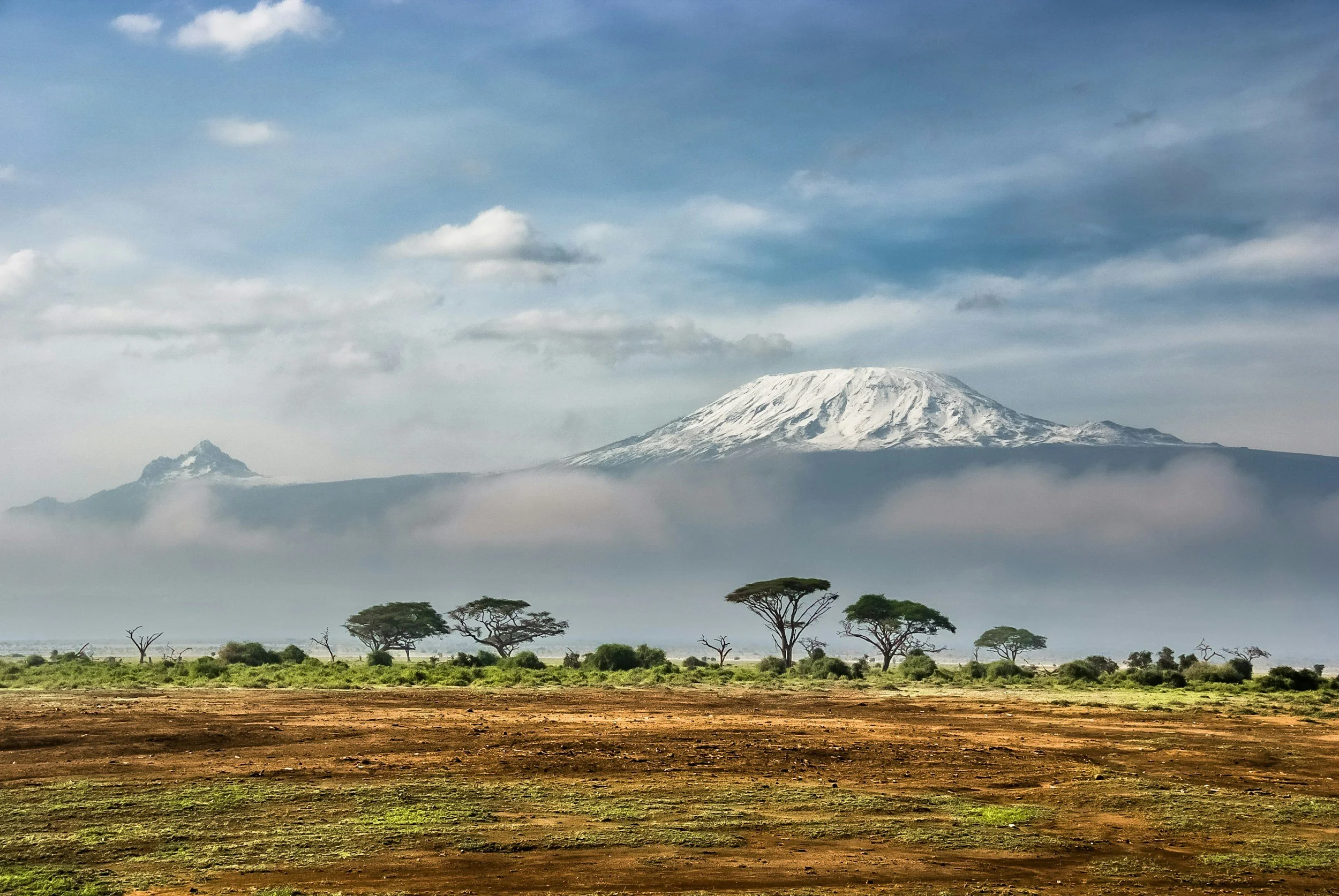
Pirating companies do not only focus on plants and animals, as new patent laws have made way for companies to capitalize on microbes. The Merck Pharmaceutical Company has patented microbial samples from nine countries, including soil bacteria from a forest Mount Kilimanjaro, a Mexican fungus that is said to be helpful manufacturing male hormones, a fungus found in Namibian soil that can be used to treat bipolar disorder, a soil bacteria from India that acts as an antifungal agent, and a bacteria from Venezuelan soil for use in antibiotic production. Pfizer and Bristol-Myers Squibb have more bacteria and fungi holdings than Merck.
PIRATING HUMAN GENES
The USA and other industrialized countries have been buying the blood of indigenous people for centuries. Scientists are racing to collect human genes from indigenous populations in hopes of finding commercial uses for them. Human genetic material is now patentable, as are cells and cell lines.
In 1989, researchers took blood samples from 24 members of the Hagahai tribe of Papua New Guinea. A cell line developed from this may be valuable in diagnosing adult leukemia and chronic degenerative neurologic disease.
The US Government filed a patent involving a human cell line derived from a 40 year old woman and a 58 year old man from the Solomon Islands. The cell line may be beneficial in diagnosing disease. The two people involved were not asked for their consent.
A consortium of scientists of North America and Europe founded the Human Genome Diversity Project (HGDP) in 1991 with the goal of collecting genetic information from indigenous people worldwide. The vampires are still working on their goals.