Diabetes: Alternative Treatments for Diabetes
Harmonious Healing: Diabetes: Alternative Treatments for Diabetes
Diabetes is a serious disease that can be a silent killer, as many people who have it have not been officially diagnosed with the condition. It is a disease that does not discriminate, and if left unchecked, can lead to serious consequences, including coma and death. Diabetes is the third leading cause of death in the United States. Mosbys Medical Dictionary defines diabetes mellitis as "a complex disorder of carbohydrate, fat and protein metabolism that is primarily a result of a relative or complete lack of insulin secretion by the beta cells of the pancreas or of defects of the insulin receptors". There are various forms of diabetes, which have been organized into a series of categories developed by the National Diabetes Data Group of the National Institutes of Health. They include:
Type I - This category is known as insulin-dependent diabetes and was previously known as juvenile-onset diabetes. It includes juvenile diabetes, ketosis-prone diabetes, brittle diabetes and idiopathic diabetes. Type One diabetics produce little or no insulin because their immune system attacks and destroys the insulin-producing cells in the pancreas. Some believe that exposure to a toxin or viral infection may trigger this autoimmune attack in susceptible individuals.
Type II - Type two is known as noninsulin-dependent diabetes, previously known as adult-onset diabetes. It includes adult-onset diabetes, Hospitals give insulin for Diabetes maturity-onset diabetes, stable diabetes and ketosis-resistant diabetes. Type Il diabeties are often overweight people who become resistant to the effects of insulin over time. The pancreas is usually producing enough insulin, but the body does not use it effectively.
Gestational Diabetes - Women who develop glucose intolerance when pregnant.
Secondary Diabetes - Diabetes associated with a pancreatic disease, hormonal changes, adverse effects of drugs, or genetic/other anomalities.
Impaired Glucose Tolerance - People whose plasma glucose levels are abnormal but not sufficiently beyond the normal range to be diagnosed as diabetic, It includes asymptomatic diabetes, chemical diabetes, borderline diabetes, subclinical diabetes and latent diabetes.
Diabetes mellitus is caused by insufficient production of insulin in the pancreas (or insufficient production) or by a lack of response by cells in the body to insulin. After meals, food is digested and glucose (sugar) is absorbed into the bloodstream. Normally, the rise in blood glucose causes beta cells in the pancreas to secrete insulin, which enables glucose to enter cells to be burned for energy or stored.
Symptoms
Type One Diabetes: Early warning signs include hunger, dizziness, sweating, confusion, numbness or tingling in the lips, irritability, frequent urination, abnormal thirst, nausea or vomiting and fatigue. If untreated, double vision, trembling and disorientation may occur, and loss of consciousness may follow.
Type Two Diabetes: Onset of type two diabetes is usually later in life. Symptoms include blurred vision, itching, unusual thirst, inordinate appetite, depression, constipation, drowsiness, obesity, fatigue, slow healing, tingling or numbness in the feet and a dry red tongue. Those who develop type two diabetes often have a family history of the illness.
Complications
Circulation - According to the ADA (American Diabetes Association), diabetes leads to coronary heart disease, stroke and circulation problems to the hands and feet. Other circulation complications include heart attacks and hardening of the arteries.
Kidneys - Diabetes is the leading cause of end-stage kidney disease.
Nervous System - Nerve cells may be damaged. This can cause severe pain or loss of feeling. Damage is usually limited to the peripheral nerves.
Eyes - Diabetic retinopathy, or diabetic eye disease, is a major cause of vision loss in
Americans age 20-74 years old. One in 20 type I and one in 15 type Il patients develop retinopathy, and half of those who develop it become legally blind.
Foot ulcers - Lack of oxygen and peripheral nerve damage are the key factors in foot
ulcers, which are preventable through proper foot care and avoidance of injury and tobacco.
Not sitting with the legs crossed and massaging the feet lightly upwards will help improve circulation to the feet.
Coma - Diabetic comas are very serious. They can be caused by diabetic ketoacidosis or dehydration.
Western Medicine
To diagnose diabetes, hospitals will draw blood samples and will use three tests to diagnose diabetes: random plasma glucose, fasting plasma glucose and oral glucose tolerance tests.
If they find that the blood sugar is elevated from a random plasma glucose test (non-fasting), a fasting glucose test will likely be done. A patient will have to fast for eight hours and their blood will be drawn again. People with fasting glucose levels of more than 140 mg/dL on two or more tests that are done on different days are diagnosed with diabetes (normal fasting glucose levels are less than 110 mg/dL). If, however, the fasting glucose level is between 120-140 mg/dL, which is considered marginal, the third test will be ordered. The glucose tolerance test requires a person to drink a very large amount of sugar, and after two hours, three measurements of blood glucose are taken. If two of them are 200 mg/dL or more, the person has diabetes.
Medical treatments for diabetes include a variety of drugs. Coupled with diet and exercise (which is said to decrease the need for insulin in many cases), diabetics normal rely on insulin to control their diabetes and keep their blood glucose levels in a normal range. Insulin is injected into the fat under the skin and is absorbed into the blood or is delivered by a pump into a catheter in the tissue below the skin of the abdomen.
There are many types of insulin, and the most common types include short-acting insulin (begins working 30 minutes after injection and reaches its peak 2-4 hours later), rapid-acting insulin (begins working 15 minutes after injection and peaks 30- 90 minutes later) and long-acting insulin (begins working 1-3 hours after injection and peaks 6-12 hours later). Other medications include sulfonylureas (lower blood sugar by prompting the pancreas to create insulin), meglitinides (taken while eating to reduce the elevation in blood sugar that follows eating), biguanides (lowers sugar by improving the response to insulin by cells in the body), thiazolidinedione (improves glucose uptake by cells in the body) and alpha-glucosidase inhibitors (lower the amount of sugar absorbed by intestine).
Vitamin and Mineral Supplements
Chromium - Chromium has been found to help insulin pull glucose from the blood and into cells. Most Western diets include about 50 mcg of chromium per day, but 50-200 mcg per day is a safe and effective level to aid diabetes. Chromium is found in brewer's yeast, cheese, meat, fish, fruits, vegetables and whole grains, and can also be taken as a supplement.
Magnesium - Studies have found a link between low levels of magnesium and type Il diabetes, but do not yet know which is the cause and which is the effect. Taking magnesium supplements may improve the action of insulin and decrease sugar levels, but people with heart or kidney disease should not take magnesium supplements. Magnesium can be found in whole grains, green leafy vegetables, bananas, legumes, nuts and seeds, or can be taken as a supplement.
Vanadium - Vanadium is an essential trace mineral found in the soil and in many foods. It mimics the action of insulin and has increased insulin sensitivity in people suffering with type II diabetes.
Herbal Solutions
Aloe Vera - Taken orally, aloe has been shown to help reduce blood sugar in type Il diabetes.
Fenugreek Seeds - High in fiber, they have been shown to regulate glucose and improve lipid levels. Fenugreek is a spice found in many curries and is also available in supplement form.
Onion and Garlic - Both have significant blood sugar lowering action. Eat regularly or take in supplement form.
Cinnamon - Cinnamon has been shown to triple insulin's efficiency.
Herbal combination for problems with the pancreas - 1 part uva ursi, 1 part goldenseal, I part elecampane, 2 parts dandelion root, 2 parts cedar berries, 1 part fennel, 1 part ginger. Mix the powdered herbs and put them in size 00 capsules. Take after every meal.
Chinese Medicine
Chinese medicine sees diabetes as excessive lung and stomach fire and kidney yin deficiency and a result of improper diet and emotional stress.
Chinese herbal treatments include the following herbs: Chinese foxglove root, ginseng, panax, quinquefolius, dandelion, licorice kudzu, reishi, dendrobium, red sage root, dogwood fruit, chinese yam and ophiopogon root. Before starting a treatment using Chinese herbs, consult a professional as the herbs are used in specific combinations.
Pig Pancreas Soup - this soup is said to be very effective in controlling blood sugar and also lowers blood pressure.
Pig pancreas - one whole (250 gm)
Corn with silk - 2 cobs and corn silk or 40 gm of dried silk
Chinese yam - 40 gm
Lean pork - 160 gm
Wash pancreas and soak with 2 teaspoons of salt for one hour. Wash again and put it into boiling water to rinse for a few minutes. Take out pancreas, drain water and cut it into thin pieces. Wash corn and corn silk and cut into sections. Put all ingredients into a pot with water and bring to a boil. Remove foam, reduce heat and simmer from 2-3 hours until 2 cups of water is left. Drink soup and eat some of the pancreas. Eat the soup on an empty stomach once a day for three weeks. Repeat if necessary.
Ayurveda
Ayurvedic practitioners see diabetes as a metabolic kapha type of disorder and attack it using a multi-faceted approach. Sugar and simple carbohydrates are stricken from the diet and protein is limited so the kidneys will not become damaged. Fat is limited also, and a cleansing program is started, typically using pancakarma. It begins with herbal massages, an herbal steam sauna and fasting to cleanse the body. After the fast, an herbal purge is given to clean the liver, pancreas and spleen, followed by colon therapy to clean the digestive tract. Pancakama should not be done alone - find a practitioner to guide your cleanse.
Ayurvedic herbs are used along with exercise and yoga. Some treatments are:
1. Juice of bitter melon or bitter gourd, or Rose apple or two tender leaves of Bilva and Neem may be taken on an empty stomach daily.
2. Shilajit (Swertia Decussata Nimmo.) is taken twice daily with juice of a stone apple. A 250 mg dose is adequate.
3. Fill 00 capsules with turmeric and take 2 capsules three times a day. It is best to take them a few minutes before meals. Continue for up to a month and re-evaluate your condition. Those who use insulin will see a decreased need.
4. Mix and grind Fenugreek seeds (100 mg), 50 gm of turmeric and white pepper. Take one teaspoon with a glass of milk twice a day. 5. Put one cup of water into a copper vessel. Let it sit overnight and drink it in the morning.
Traditional African Healing
According to traditional African healing, the modern medical system is not far off from the traditional definition of diabetes. “From the African perspective, diabetes can be called the “sugar illness”. Diabetes is basically an abnormal management of sugar in the body. Some diabetes have a shortage of sugar in the blood, while others have an excess of sugar,” said Traditional Healer and Spiritual Master Naba Lamoussa Morodenibig.
The body’s inability to process sugar happens in different ways, and the symptoms of diabetes are many. They include:
Feeling thirsty (too much sugar in the blood)
Not wanting to drink (too little sugar in the blood)
Frequent urination
Hypertension
Hardened muscles
Strangled nerves
Liver inflammation
Constipation
Muscle hardening (a muscle feels like it is flexed when it is relaxed) is the main cause of diabetic blindness. The muscles constrict the nerves, strangling them. This, depending on the nerve that is affected, leads to impaired functioning.
In nature, the way one realizes that there is a problem with sugar processing is by observing one's urine. In villages, people urinate on the ground. If one sees ants trying to go into the urine, one knows that there is sugar in the urine and that there is a problem.
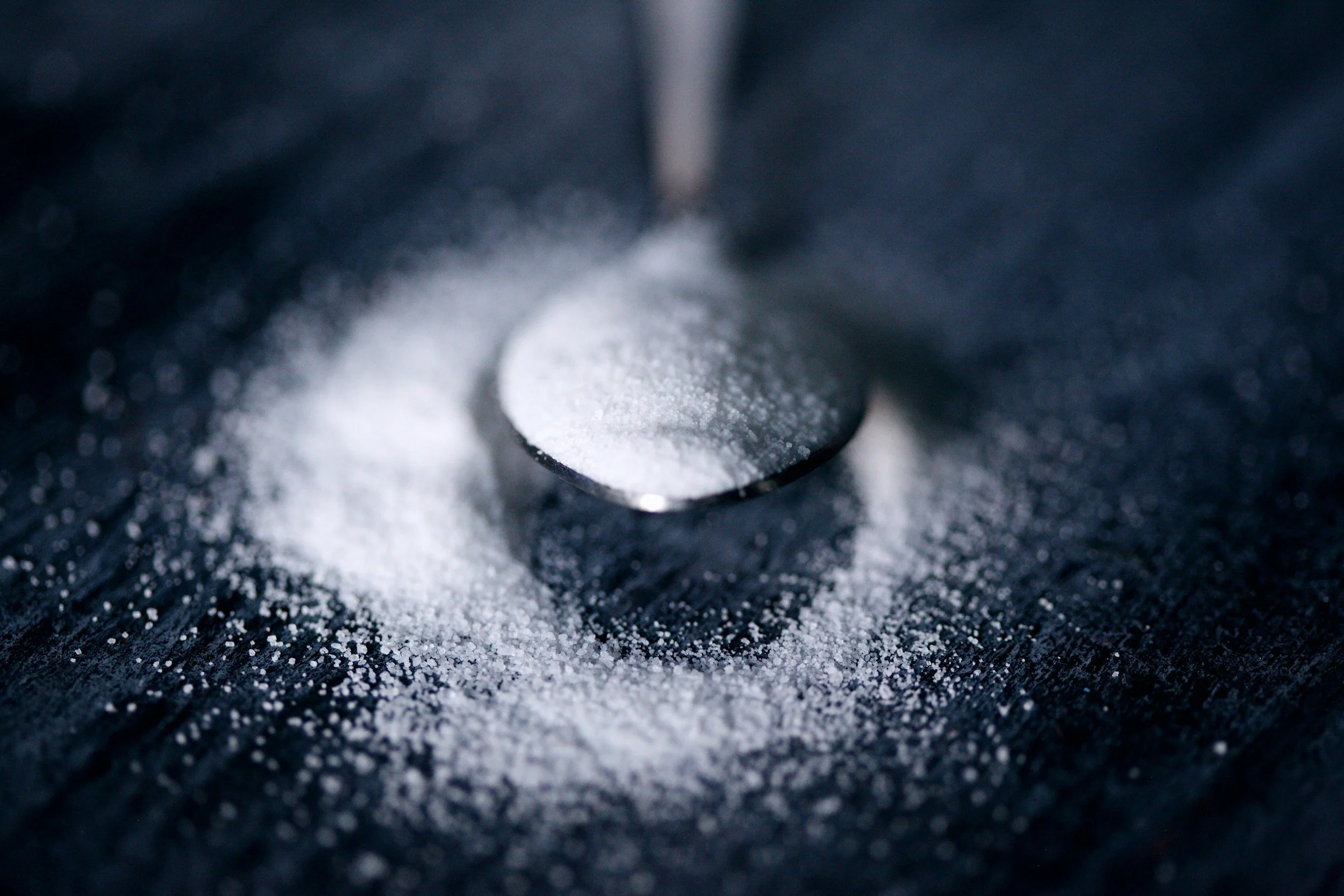
"Diabetes is a man-made disease. We must realize that the sugar that we consume that is not naturally occurring in foods is an excess. The body does not need this external sugar because it processes food that we eat into sugar, which feeds the body," Naba explains. "There is also a predisposition to diabetes, which is linked to a slow-functioning liver and spleen. Those who are predisposed to the mismanagement of sugar are more likely to become diabetic. But the real problem is the intrusion of external sugar into the body."
Preventing diabetes is accomplished by maintaining a healthy lifestyle. This includes a healthy diet with restricted artificial sugars, exercise, and eliminating alcohol. Another important step is to ensure that the liver is strong and clean, thus making it able to cope with the demands of the body. Naba also tells us that "Being too thin or too fat can lead to diabetes. It is not about weight, but rather how the body adapts and can control the sugar in the blood."
Treatment for diabetes varies. Eliminating all external sugar from the diet is one of the best ways to control diabetes. "Even those who lack sugar (hypoglycemic) will benefit from eliminating all non-natural sugar. The body will then adjust to the natural sugars in foods and will begin to regulate itself," Master Naba said.
A strong liver is also needed. One must ensure that the liver is not inflammed so that it can process any sugar (natural or external) in the body. The best way to do this is by cleansing the liver regularly. Ankhkasta Natural Healing, a network of Traditional African Healers, offers a liver cleanser that one can order without a consultation. It cleanses the liver and strengthens it, ensuring optimal functioning.
Treating diabetes alone, however, will not rid one of the problem, as diabetes affects every other part of the body. The body either starves due to a lack of sugar in the blood, or drowns in sugar when there is too much in the blood. Other organs need to be checked and healed while the actual diabetes is being cured. Traditional African Healers have products that will rid the body of diabetes, but due to the complexity of the disease and its complications, these products are not available without a consultation.
Diabetes is not a disease that can be taken lightly. Serious complications can and do arise, such as coma, blindness, wounds that will not heal, and death.
Proper care is required. The hospital system, however, is not one's only option.